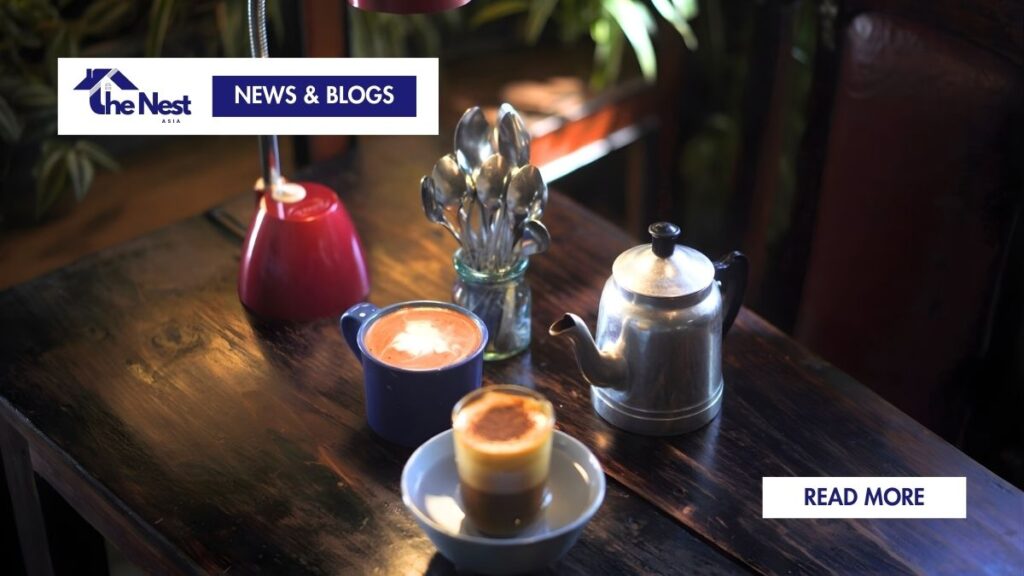
The rhythmic tink-tink-tink of a spoon tapping against a glass defines the morning rhythm of Vietnamese cities. This sound belongs to Cà Phê Sữa Đá, or. Vietnamese Iced Coffee with Condensed Milk. More than just a morning pick-me-up, it’s a daily ritual that influences how people in Vietnam slow down, connect, and begin their day.
This blog will provide comprehensive insights into this iconic drink and reveal why it holds such a special place in the hearts of locals.
What is Cà Phê Sữa Đá?
Cà Phê Sữa Đá is Vietnamese iced coffee made with dark-roasted Robusta beans and sweetened condensed milk. Served over ice, it delivers an intense yet balanced flavor that has become central to Vietnamese coffee culture.
Unlike many iced coffees found elsewhere, Cà Phê Sữa Đá is not diluted or designed to be subtle. Its boldness is intentional, reflecting both local taste preferences and the realities of Vietnam’s climate and working rhythms.
The History of Vietnamese Iced Coffee
Coffee arrived in Vietnam in 1857 through French colonists. At this time, fresh milk was scarce and spoiled quickly in the tropical climate, leading locals to adopt shelf-stable condensed milk instead.
This practical substitution became a defining feature of Vietnamese iced coffee culture, pairing perfectly with the strong Robusta beans grown in the Central Highlands. It is passed down through generations and preserved even as fresh milk later became widely available.
Today, Vietnam’s position as the world’s largest exporter of Robusta coffee makes this humble glass not only a morning addiction but a source of national pride.
Why is Vietnamese Coffee So Strong?
Many expats often wonder why a single small glass of Vietnamese coffee feels like three shots of espresso. The answer lies in the Robusta bean and brewing method.
Robusta Beans and High Caffeine
Vietnamese Coffee uses Robusta beans, which contain nearly 2.7% to 4.5% caffeine, almost double that of the Arabica beans used in Western lattes, which generally contain about 1.2% to 1.5% caffeine by weight.
The higher caffeine content also contributes to the sharper, more bitter profile that many first-time drinkers notice. Over time, this intensity becomes part of the appeal rather than a drawback.
The “Phin” Filter Brewing Method
The coffee is brewed using a Phin – a small metal drip filter. This slow-drip process takes about 3-10 minutes, ensuring a high concentration of flavor and caffeine that regular drip machines can not match.
Because the phin requires attention and waiting, it naturally slows the drinking experience, reinforcing the idea that coffee is something to be experienced rather than rushed. The slow drip becomes a quiet countdown, marking time before the first sip.
How Vietnamese Coffee Culture Differs from the West?
The difference in mindset is especially noticeable for expats. In many Western countries, coffee is designed for speed – ordered, carried, and finished on the move. In Vietnam, coffee demands patience.
The slow drip of the Phin, the sound, and the atmosphere encourage people to sit still, watch the street, and let time pass. This unhurried approach turns coffee from a habit into a moment of presence.
Popular Vietnamese Coffee Drinks Related to Cà Phê Sữa Đá
Vietnamese coffee culture offers variety without complexity. Most drinks share the same foundation, changing only ratios and texture.
While Cà Phê Sữa Đá is the most recognizable symbol of Vietnamese iced coffee culture, several closely related drinks help explain why coffee plays such a central role in daily life.
Bạc Xỉu
Bạc xỉu is often described as the softer cousin of Cà Phê Sữa Đá. It uses the same condensed milk base but with significantly less coffee, making it ideal for newcomers who find Vietnamese coffee too intense.
Cà Phê Đen Đá
Cà Phê Đen Đá removes milk entirely, highlighting the bold bitterness of Robusta beans. Many locals graduate from Cà Phê Sữa Đá to this version as their tolerance for strong coffee grows.
Cà Phê Trứng
Cà Phê Trứng, or egg coffee, is a northern specialty that contrasts with the sharp intensity of Cà Phê Sữa Đá. Its rich, custard-like foam reflects Hanoi’s slower, more indulgent coffee style.
Pro-tip for Newcomers
Never drink Cà Phê Sữa Đá on an empty stomach. The combination of high caffeine and sugar can lead to “coffee jitters” or even nausea for those unaccustomed to it.
Many expats learn this lesson the hard way, but adjusting portions or sweetness is completely acceptable and increasingly common in cafés.
The Social Ritual of “Đi Cà Phê” as a Way of Life
In Vietnam, the phrase “Đi Cà Phê” (let’s go for coffee) is rarely about caffeine – it is an invitation to connect.
Coffee Shops as Social Hubs
For students, freelancers, and retirees alike, coffee shops function as shared personal space rather than commercial venues.
From sidewalk cafés with plastic tools (Cà phê bệt) to air-conditioned contemporary outlets, coffee shops are the community centers where people gather to chat, play games, or simply watch the world go by.
Coffee shops in Vietnam are rarely quiet, yet never rushed. People talk, read, think, or simply sit in comfortable silence. No one is expected to leave quickly, and no explanation is needed for staying a bit longer.
Why You Are Served “Trà Đá”?
Most cafes, especially in South Vietnam, will serve you a glass of cold jasmine or green tea (trà đá) alongside your coffee. It is meant to cleanse the palate and keep you hydrated. Refusing it is not considered rude, but most people drink it instinctively.
How Affordable Coffee Shapes Daily Life?
As you calculate the Cost of Living in Vietnam, you will find that a daily US$ 1 (~25,000 VND) coffee is the most affordable way to immerse yourself in the local rhythm. This affordability makes coffee a constant presence rather than an occasional luxury.
Read Related: Beyond the Food: Table Manners in Vietnam and the Art of Eating Together
Best Places to Experience Vietnamese Coffee Culture
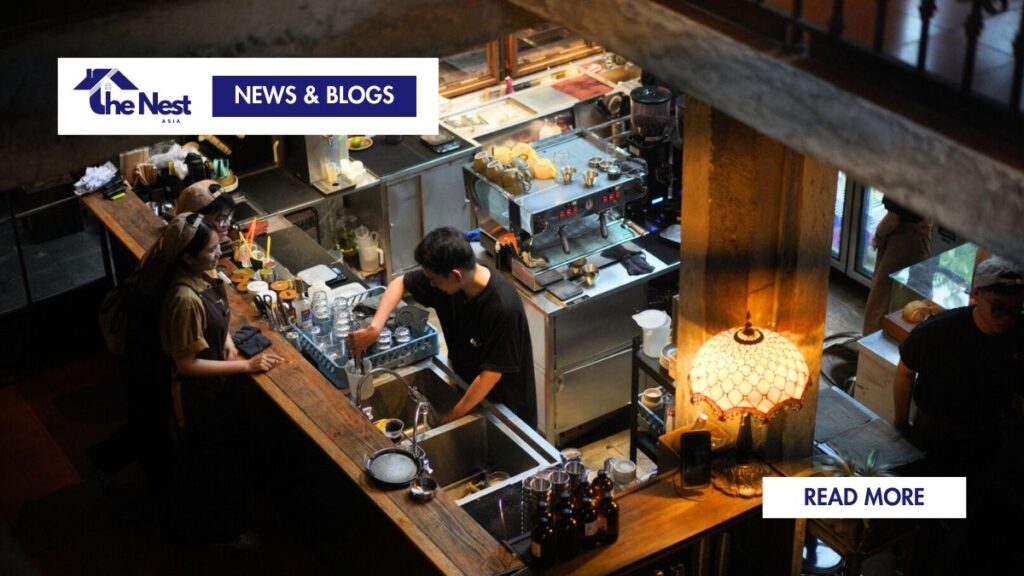
Experiencing the Vietnamese Iced Coffee culture is as much about where you drink Cà Phê Sữa Đá as the drink itself. Different neighborhoods offer distinct coffee atmospheres, shaping how locals and expats experience daily life.
In districts like Thảo Điền or Phú Nhuận, café density makes spontaneous coffee meetings part of daily life.
In many expat-friendly areas, sidewalk cafés serve as informal living rooms where people gather for hours with a single glass of coffee. Choosing the right neighborhood can significantly impact how easily you adapt to this rhythm.
Our guide to the best neighborhoods for expats to live in Vietnam offers helpful insight into areas where café culture and daily convenience naturally overlap.
How to Order Like a Local?
- Ho Chi Minh City: Cà Phê Sữa Đá.
- In Ha Noi: Nâu Đá (Brown Iced Coffee).
- Prefer something milder? Try “Bạc Xỉu”, which contains more milk and less coffee.
Learning these names is more than convenience; it is a small sign of cultural respect that locals quietly appreciate. In addition, pointing at the menu and saying “cái này” (this one) works surprisingly well.
Don’t worry about pronunciation mistakes; locals usually appreciate the effort, and even imperfect attempts often lead to friendly corrections and a smile.
Read Related: Is Tipping in Vietnam Mandatory? The Ultimate Traveler’s Guide
More than Coffee, A Way of Life
Cà Phê Sữa Đá was never meant to be trendy. It exists to serve daily life, and that is why it endures.
To sit with a glass of Vietnamese iced coffee is to slow down, observe, and participate in the rhythm of Vietnam itself. This drink is often the first “cultural bridge” every expat will cross.
About Us
The Nest Asia is a one-stop resource offering comprehensive information, practical relocation advice, cultural insights, valuable connections, and trusted services to help expatriates living in Vietnam navigate the transition, overcome challenges, and build a fulfilling life abroad. Starting your journey in a new country can often feel overwhelming. The Nest Asia is your trusted partner – we’re here to simplify that process and ultimately make Vietnam feel like home for you and your loved ones.
Discover more insightful blogs from The Nest Asia here!
Schedule a Meeting
Disclaimer: The Nest Asia is not an authorized provider of official government or non-government services. The information provided is intended for general guidance only. While we strive to offer accurate and timely information, we make no representations or warranties regarding its completeness or accuracy.