Expat Vietnam is more than just a move — it’s a thrilling adventure filled with vibrant culture and a dynamic lifestyle. By preparing for the unexpected and embracing local customs, newcomers can turn challenges into opportunities and discover the true richness of life in Vietnam.
Establishing a stable life in Vietnam begins with understanding and complying with key legal frameworks like Decree 152/2020/ND-CP, which governs immigration and work regulations, and ensuring that all required documents are accurately prepared. To safeguard your financial stability, it is equally important to adhere to Decree 168/2024/ND-CP, which enforces strict financial compliance and can impose penalties of up to 40,000,000 VND (US$1,517.32) for violations.
Beyond legal compliance, thriving socially in Vietnam means respecting local etiquette, showing genuine respect, and engaging with the communal culture that defines the country’s warm and inclusive spirit.
This blog will guide Expat Vietnam readers and foreigners through essential relocation advice — from legal procedures and financial tips to cultural adaptation — helping you settle confidently and smoothly into your new life in Vietnam.
Navigating Bureaucracy: Visas & Legalities
Securing your legal status is the first step, with regulations frequently updated. Strict adherence to immigration laws is required to avoid blacklisting or heavy fines.
Key Legal Framework:
| Document Type | Duration | Relevant Law/Decree |
| Tourist Visa | Up to 90 days | No.47/2014/QH13 (Art. 9) |
| Work Permit | Up to 2 years | Decree 152/2020/ND-CP (Art. 10) |
| TRC (Work) | Up to 2 years | No.47/2014/QH13 (Art. 38) |
| TRC (Investor) | 3 to 10 years | No.47/2014/QH13 (Art. 38) |
Tips: Always process complex paperwork through reputable agencies or directly at the Immigration Department and avoid the online “Visa fixers”.
Read More: Temporary Residence Card (TRC) in Vietnam: Definition, Requirements, and Validity
Settling in: Housing & Connectivity
Finding the right accommodation requires knowing the specific districts that cater to expat needs.
Popular expat districts:
- HCMC – Thao Dien: Famous for international schools and villas.
- HCMC – Phu My Hung: Wide roads and greener parks with complete function.
- Hanoi – Tay Ho: Lakeside living with a relaxed, artistic atmosphere.
- Hanoi – Ba Dinh: Central, diplomatic area with historic charm.
Connectivity is immediate, but you must register your SIM card with your passport to comply with laws.
Read More: Work Permit Vietnam Agency: Requirements, Procedures, and Work Visa Services for Expats in Vietnam
Financial Foundations: Banking & Costs
Opening a local bank account is essential for paying bills and receiving salaries legally. While policies vary, the core requirements remain consistent across all major institutions.
Checklist:
- Valid passport: Must have at least 6 months of validity remaining.
- Legal Entry: A valid Visa, TRC, or WP.
- Residency Proof: A rental contract or police registration of residence.
- Local Connection: A registered Vietnamese phone number for OTP codes.
Tips: Always keep a mix of digital funds for bills and about 500,000 VND (US$18,97) in your wallet for small local vendors.
Read More: Vietnam Driving License: International Driving Permit Conversion and Support
On the Move: Traffic & Transportation
Traffic in Vietnam is “chaotic”, and the government has cracked down on violations with strict decrees. Alcohol tolerance is zero for drivers, so using ride-hailing apps is the safest legal option.
Key traffic fines (Decree 168/2024/ND-CP)
- Alcohol Violation (Car): Up to 40,000,000 VND (US$1,517.32) and License Revocation.
- Alcohol Violation (Bike): Up to 8,000,000 VND (US$303,46) and License Revocation.
- No Helmet: 400,000 (US$15,17) to 600,000 VND (US$22,76).
- No License: 1,000,000 (US$37,93) to 2,000,000 VND (US$75,87).
Read More: Electronic Identification (eID) Accounts for Expats in Vietnam: Complete Before 1/7/2025
Social Dynamics: Culture & Community
Vietnamese society is welcoming but communal; you may find neighbours asking personal questions about salary or marital status to build rapport.
Some Cultural Dos and Don’ts:
| DO | DON’T |
| Smile, be polite and use titles like “Anh” or “Chị” | Don’t touch a person’s head because it is considered the most sacred part. |
| Use both hands when giving or receiving objects. | Don’t point with your finger; use your whole hand or nod instead. |
| Remove shoes before entering houses. | Don’t stick your chopsticks upright in your rice bowl. |
| Show Deference to the elderly. | Don’t take photos without permission, especially on religious sites. |
Read More: Vietnam Permanent Residence Card: Requirements, Application, and Temporary Residence Address
Culinary Adventures
The culinary scene in Vietnam is a highlight, offering an explosion of flavours at incredibly low prices.
Must-Try Dish:
- Phở Bò: beef noodle soup
- Bún Chả: Grilled Pork and Noodles
- Bánh Mì: Vietnamese Baguette
- Cà Phê Sữa: Iced Milk Coffee
Beyond street food, you can explore the upscale venues to experience the full spectrum of Vietnam’s food culture.
Tips: Join active Facebook communities to ask locals for the best hidden locations to enjoy these dishes.
Read More: Beyond the Food: Table Manners in Vietnam and the Art of Eating Together
Implications
For Prospective Expat Vietnam Residents:
You must secure your settlement by strictly complying with local laws, while focusing your housing search on established hubs to ensure immediate access to community support.
For Current Expat Vietnam Residents:
Maintaining precise documentation for bank resignations and strictly adhering to traffic regulations to avoid penalties is crucial for your legal safety in Vietnam.
For Cultural Explorers in Expat Vietnam:
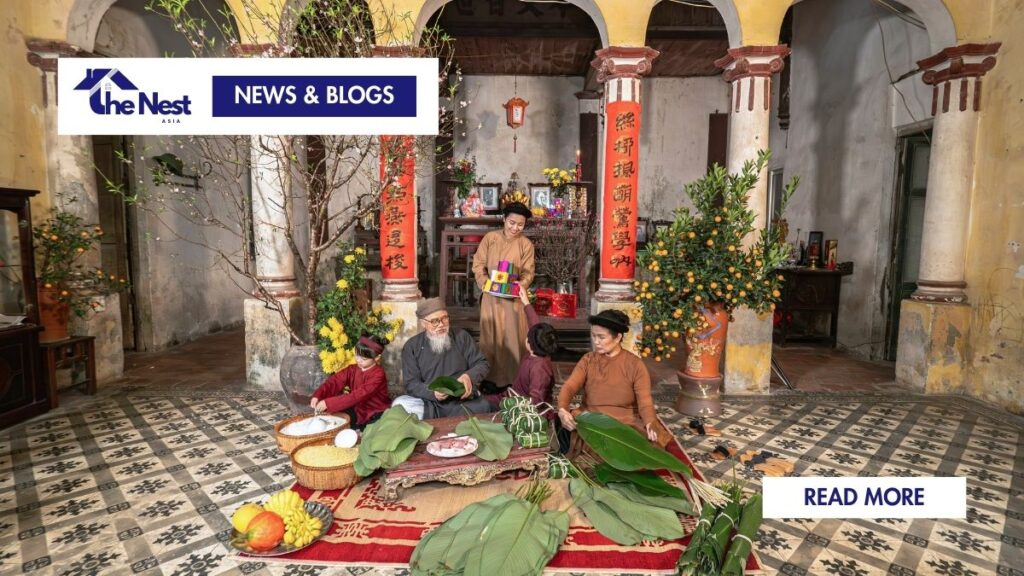
True integration is achieved by respecting local etiquette — such as removing shoes and honoring elders — to fully experience the communal lifestyle.
Read More: Top Festival in Vietnam: Mid Autumn Festival, Tet Festival, and Vietnam Public Holidays
FAQ
1. What are the current penalties for drunk driving in Expat Vietnam?
Under Decree 168/2024/ND-CP, Vietnam enforces a strict zero-tolerance policy. Fines can reach up to 40,000,000 VND for car drivers and 8,000,000 VND for motorbike riders, along with license revocation.
2. Which documents are required to open a local bank account in Expat Vietnam?
To open an account, you generally need a valid passport (6+ months validity), a valid Visa/TRC/Work Permit, proof of residence (rental contract), and a registered local phone number.
3. Can I open a bank account online without visiting a branch in Expat Vietnam?
Yes, some local banks like TPBank and MB Bank offer “e-KYC” (electronic Know Your Customer) technology, allowing foreigners to register digitally via their mobile apps, though a branch visit might still be needed for full access.
4. Where are the best districts for expats to live in Ho Chi Minh City and Hanoi?
In HCMC, Thao Dien and Phu My Hung are top choices for international schools and green spaces. In Hanoi, Tay Ho offers lakeside living, while Ba Dinh provides a central, diplomatic atmosphere.
5. Do I need a Vietnamese driver’s license to drive a motorbike in Expat Vietnam?
Yes. You must hold a valid Vietnamese license or a converted International Driving Permit (IDP). Driving without a license carries a fine of 1,000,000 to 2,000,000 VND.
6. Is it necessary to register my temporary residence with the police in Expat Vietnam?
Yes. By law, your landlord must register your temporary residence with the local police within 12 hours of your arrival to ensure your legal standing in the country.
7. How much cash should I carry for daily expenses in Expat Vietnam?
While digital payments are growing, it is recommended to keep about 500,000 VND in your wallet for small transactions.
8. What are the key cultural “Don’ts” I should be aware of in Expat Vietnam?
Avoid touching anyone’s head as it is considered sacred, do not point with your finger, and always remove your shoes before entering a private home or pagoda.
9. What is the legal framework for Work Permits in Expat Vietnam?
Work permits are regulated under Decree 152/2020/ND-CP (Article 10) and are typically valid for up to 2 years. Strict adherence is required to avoid deportation or employer fines.
10. IIs street food safe to eat in Expat Vietnam?
Yes, street food is a highlight of living in Vietnam. To ensure safety, stick to busy stalls with high customer turnover and try staples like Phở Bò and Bánh Mì.
About Us
The Nest Asia is a one-stop resource offering comprehensive information, practical relocation advice, cultural insights, valuable connections, and trusted services to help expatriates living in Vietnam navigate the transition, overcome challenges, and build a fulfilling life abroad. Starting your journey in a new country can often feel overwhelming. The Nest Asia is your trusted partner – we’re here to simplify that process and ultimately make Vietnam feel like home for you and your loved ones.
Discover more insightful blogs from The Nest Asia here!
Schedule a Meeting
Disclaimer: The Nest Asia is not an authorized provider of official government or non-government services. The information provided is intended for general guidance only. While we strive to offer accurate and timely information, we make no representations or warranties regarding its completeness or accuracy.