Beyond the crowded itineraries lie quiet valleys and villages where traditions remain deeply rooted. This guide explores Vietnam’s hidden gems, offering raw natural beauty. These unique places to visit in Vietnam offer meaningful travel experiences for those willing to explore more deeply.
What Makes Hidden Gems in Vietnam?
Before diving into the map, it is crucial to understand what separates a true hidden gem from a developing tourist trap. In Vietnam, a genuine off the beaten path in Vietnam typically shares these characteristics:
- Low International Tourist Density
- Strong Local Culture or Heritage
- Limited Commercialization
- Natural or Cultural Uniqueness
Visiting these scenic places in Vietnam requires more effort than booking a standard tour. However, the reward is a deeper connection to the land and its people.
Northern Vietnam Misty Mountains & Remote Cultures
Northern Vietnam is famous for Sapa and the Ha Giang Loop, but its most captivating landscapes lie beyond the main routes, offering some of the best places in Vietnam for trekkers. Here, mountains dissolve into clouds, villages cling to steep slopes, and silence becomes part of the experience.
Hoàng Su Phì (Hà Giang)
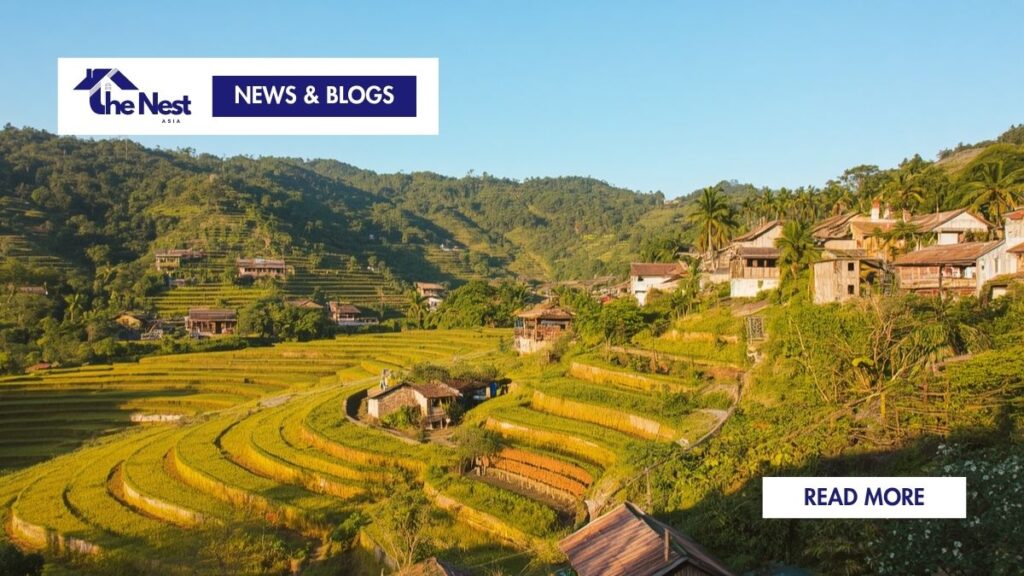
While the Ha Giang Loop has grown crowded, Hoàng Su Phì remains a sanctuary of heritage agriculture. Located in western Hà Giang, the district is home to some of Vietnam’s most dramatic terraced rice fields, officially recognized as a National Heritage site.
The terraces rise steeply like stairways to the sky, carved over centuries by the Dao, Nung, and La Chi peoples. Despite their massive scale, the region feels intimate and untouched, with villages scattered quietly between ridgelines. It is one of the true secret places in Vietnam for photographers.
Timing your visit is crucial.
- Late September to mid-October, when the hills glow with ripened rice during the golden harvest season.
- May and June, when flooded terraces mirror the sky like glass during water-pouring season.
Staying here means sleeping in traditional stilt houses, eating farm-to-table meals, and hiking through bamboo forests without seeing any other travelers.
Y Tý (Lào Cai)
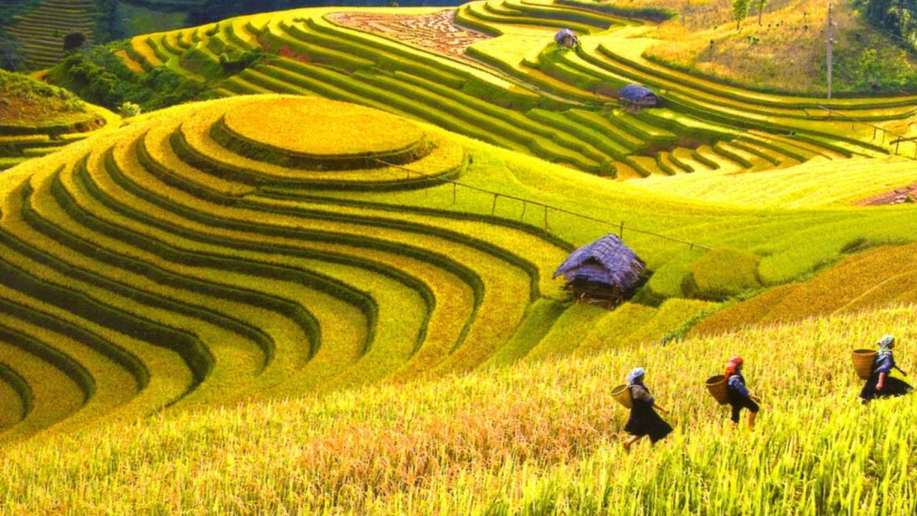
Perched over 2,000 meters above sea level near the Chinese border, Y Tý is often described as the place “where earth meets sky.” It offers the cool climate and mountain views of Sa Pa, but without the hotels, cafés, or noise.
Y Tý is home to the Hà Nhì people, known for their distinctive Trình Tường houses. These mushroom-shaped homes are claimed to be warm in winter and cool in summer, built from compacted earth, with walls up to 40 centimeters thick.
Visitors can walk through villages like Choản Thèn or A Lù, observing daily life, visiting weekly markets, and staying in simple local homestays.
From September to April, Y Tý becomes a cloud-hunting paradise. Thick seas of cloud roll through the valleys at dawn, illuminated by soft sunrise light. The experience feels less like sightseeing and more like witnessing a natural ritual.
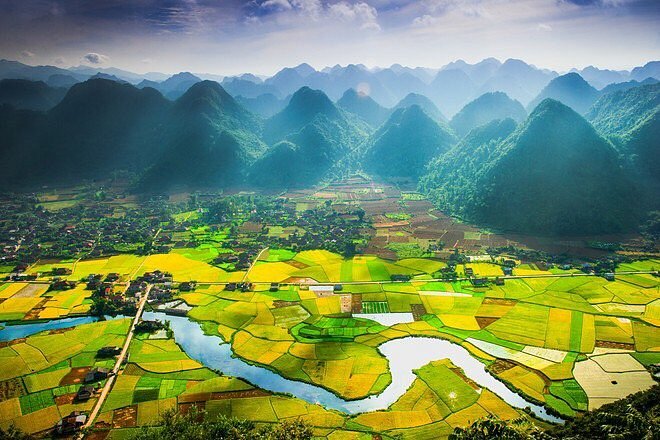
Bắc Sơn Valley (Lạng Sơn)
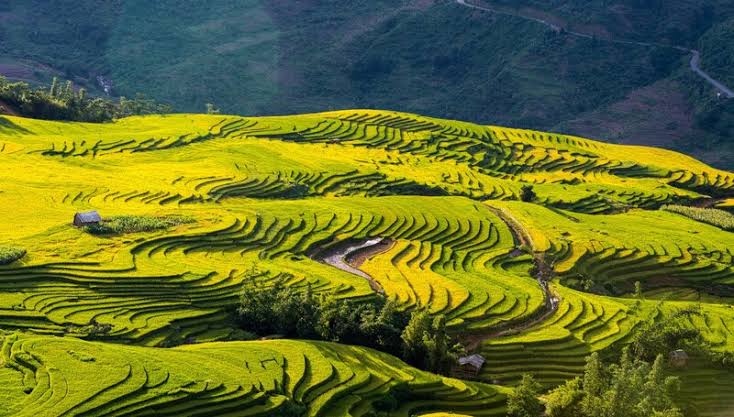
Just 160 kilometers from Hanoi, Bắc Sơn feels like another world. The flat valley is surrounded by limestone mountains and inhabited mainly by the Tay people, who live in spacious wooden stilt houses scattered among rice fields.
What makes Bắc Sơn a top contender for Vietnam’s must-see destinations is its planting pattern. Farmers sow rice at different times, creating a patchwork of green, yellow, and brown fields that shift color throughout the year.
The best view comes from Nà Lay Peak, reached by climbing approximately 1,200 stone steps. From the summit, the river winds through the valley below, offering one of the most peaceful panoramas in northern Vietnam.
Pù Luông Nature Reserve (Thanh Hóa)
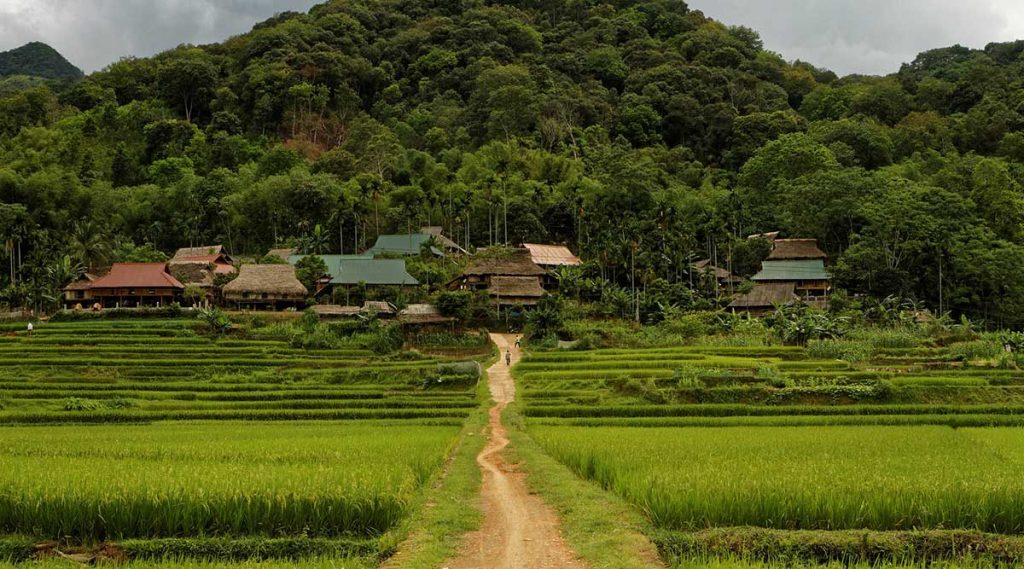
Pù Luông is an ideal alternative for travelers who find Sa Pa overcrowded. It blends limestone karsts, jungle-covered hills, and terraced rice fields into a single, harmonious landscape.
One of its defining features is the system of giant bamboo water wheels, engineered by the Thai people. These structures lift water from streams into elevated rice paddies using gravity alone.
As a protected nature reserve, Pù Luông feels greener and more organic than the northern highlands. Trekking routes pass through villages like Bản Kho Mường, with accommodation ranging from simple homestays to thoughtfully designed eco-lodges.
Urban Secrets In Major Cities
You do not always have to go to the mountains to find silence. There are hidden spots in Vietnam right inside the chaotic capitals.
Hidden Gems In Hanoi
Beyond the busy Old Quarter and well-known attractions, many hidden corners are waiting to be discovered. Exploring hidden gems in Hanoi allows you to experience a quieter and more authentic side of the capital. From small alleyway cafés serving traditional egg coffee to peaceful local temples tucked behind crowded streets.
If you have extra time, there are also several nearby places to visit that offer a refreshing escape from the urban energy. Just a short drive away, you can find scenic countryside landscapes, traditional craft villages, and serene lakes perfect for a day trip.
Hoi An Off The Beaten Track
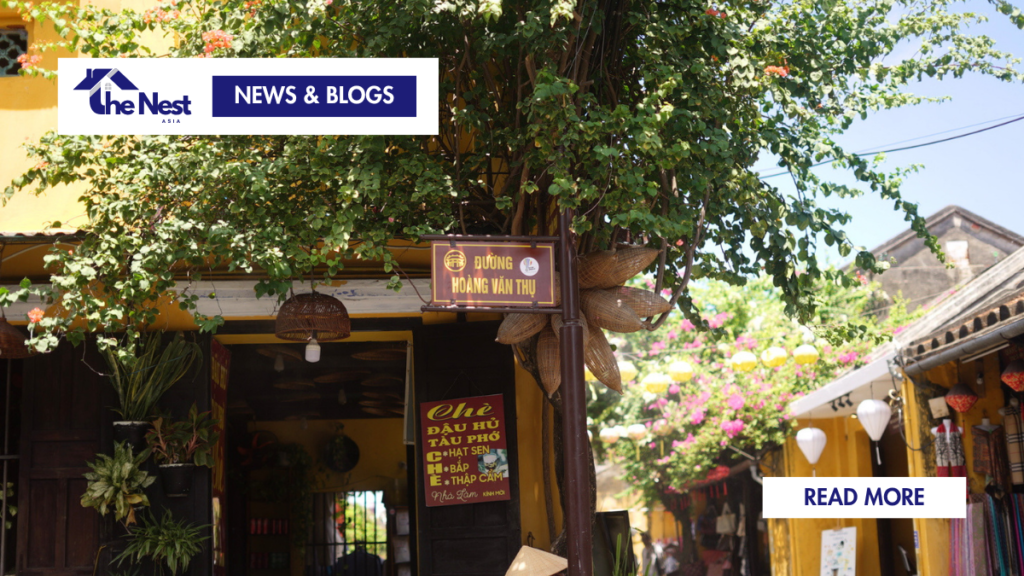
The ancient town can feel overwhelming, especially during peak hours when crowds fill the lantern-lit streets and popular attractions become busy. To truly experience Hoi An off the beaten track, cross the bridge to Cam Kim Island. On this quieter side of the river, traditional woodcarving artisans continue their craft in peaceful workshops, preserving generations of skill and cultural heritage.
When exploring hidden gems in Hoi An, consider visiting the early morning fish market at Duy Hai. Arriving around 5:00 AM lets you witness fishing boats returning with their fresh catch while locals negotiate prices in the soft sunrise light. At this hour, daily life unfolds naturally, far from the noise of tour buses and tourist crowds.
Hidden Gems In Ho Chi Minh
Ho Chi Minh City is not just skyscrapers and modern shopping malls rising above busy streets. Hidden gems in Ho Chi Minh can be discovered in the vibrant lantern streets of Cholon, where traditional herbal medicine shops still grind roots and prepare remedies by hand, preserving generations of Chinese-Vietnamese culture.
For architecture lovers, another highlight is the hidden cafés inside the old 42 Nguyen Hue apartment block. Tucked behind a modest façade, these retro spaces reflect the city’s creative spirit and nostalgic past, offering unique views over Nguyen Hue Walking Street below.
Read More: Big Cities of Vietnam: A Quick Guide to Hanoi, Ho Chi Minh City, and Danang
Central Vietnam Forgotten Kingdoms & Pristine Nature
Often treated as a transit zone, Central Vietnam hides some of the country’s most compelling cultural and geological places to visit. Which are remnants of ancient kingdoms and caves shaped over millions of years.
Kon Tum
Kon Tum feels like a frontier town at the edge of the Central Highlands. Cool air carries the scent of coffee and pine, and life moves at an unhurried pace far removed from the coast. This region is the heart of Vietnam’s coffee heritage.
Learn more about the locals’ obsession with Cà Phê Sữa Đá.
Its most iconic landmark is the Kon Tum Wooden Church, built in 1913 entirely from wood without nails. The structure blends French Romanesque design with Bahnar stilt-house architecture.
Nearby villages feature towering Rông houses, communal halls with axe-shaped roofs. These buildings are not decorative; they represent the social and spiritual heart of Bahnar communities.
Quy Nhơn (Bình Định)
While Đà Nẵng and Nha Trang struggle with overtourism, Quy Nhơn remains quietly beautiful. Beaches like Kỳ Co and Eo Gió offer clear water framed by dramatic cliffs, often empty on weekdays.
Historically, the region was once the capital of the Champa Kingdom. The Bánh Ít Towers, ancient red-brick ruins perched on a hill, can often be explored alone, which will be a rare experience in Vietnam.
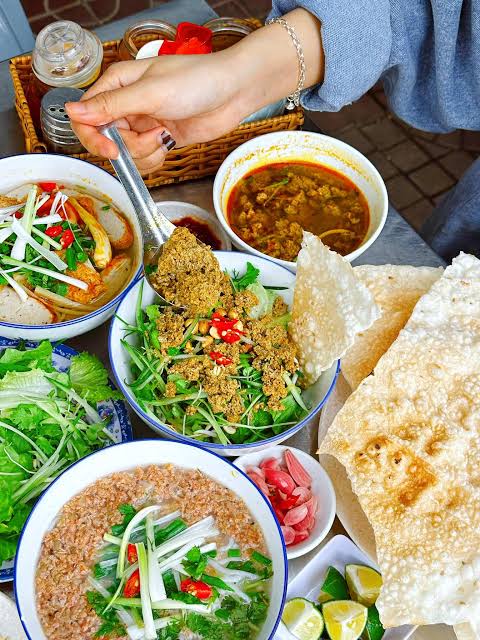
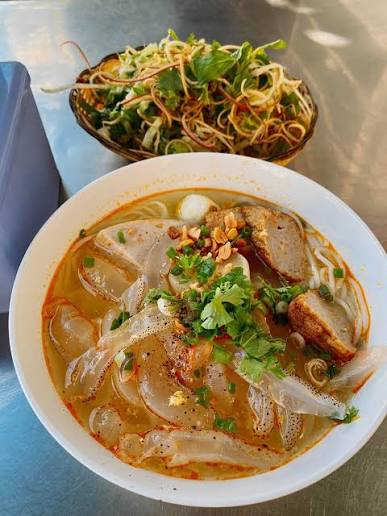
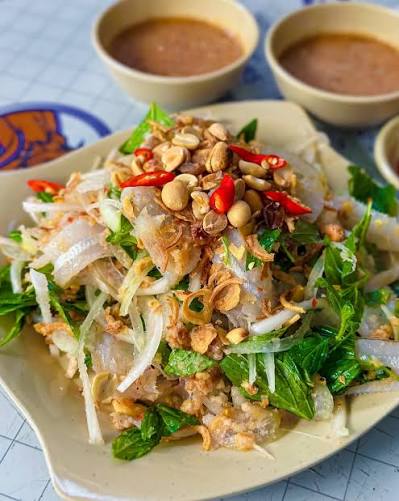
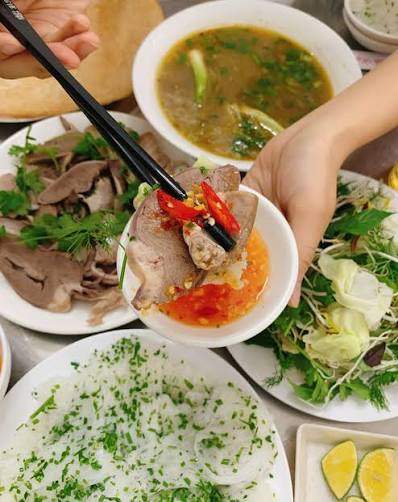
After sightseeing, locals gather on plastic stools to enjoy fresh seafood, especially bánh xèo tôm nhảy, made with shrimp so fresh they seem to jump on the pan. It is one of the best places in Vietnam for foodies.
Some must-try specialities in Quy Nhơn:
- Bún Rạm (crab noodles)
- Bún/Gỏi Sứa (jellyfish noodles/salad)
- Gỏi Cá Mai (sardine salad)
- Bánh Hỏi Cháo Lòng (pork noodles & congee)
Phong Nha’s Lesser-Known Caves
Sơn Đoòng may be famous, but its price and waiting list put it out of reach for most travelers. Fortunately, Phong Nha-Kẻ Bàng National Park holds many other unseen spots in Vietnam.
Hang Tiên (Fairy Cave) and Hang Va (Hang Va Cave) offer true adventure without the crowds. Hang Va is particularly known for its cone-shaped stalagmites rising from underground pools.
Exploring these caves involves jungle trekking, river crossings, and swimming through caverns. Tourism is strictly controlled, ensuring the ecosystem remains protected while delivering an authentic exploration experience.
Southern Vietnam Quiet Islands & Rural Escapes
Southern Vietnam is more than Mekong Delta day tours. It holds islands and provinces shaped by isolation, distinct ethnic identities, and slower rhythms of life.
Nam Du Islands (Kiên Giang)
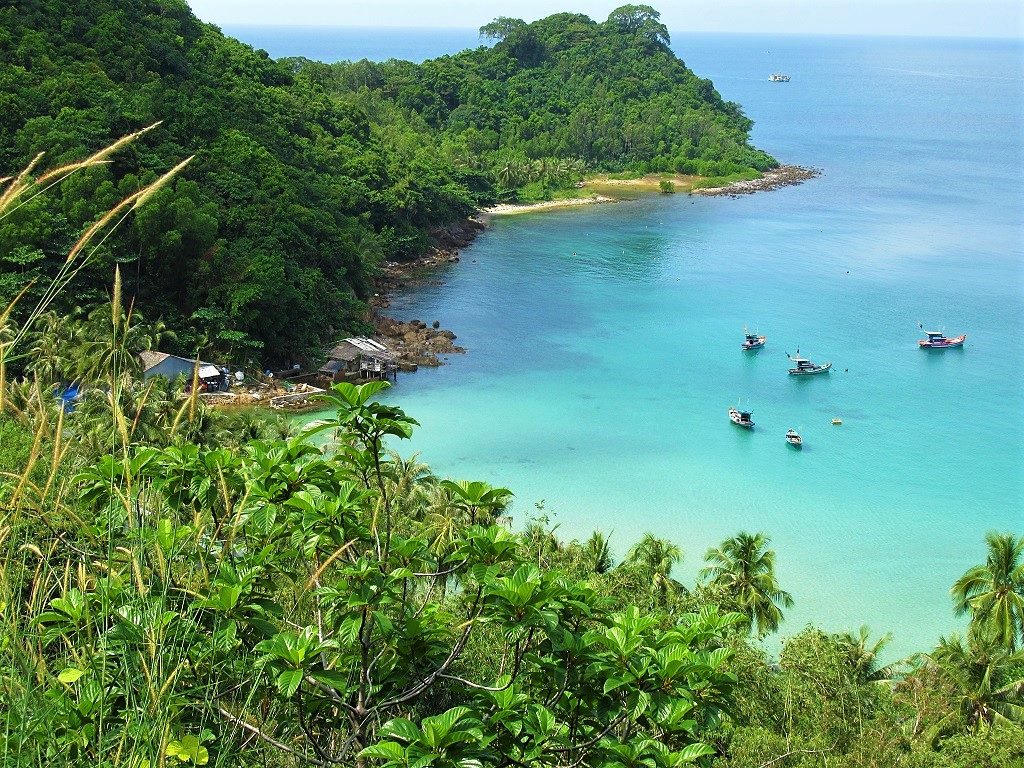
Nam Du is a rugged archipelago of 21 islands in the Gulf of Thailand, once restricted as a military zone. This long isolation preserved its raw character and a way of life centered on fishing and the sea.
Hòn Lớn, the main island, serves as the base for exploration. A winding road leads to the Nam Du Lighthouse, offering panoramic views over turquoise water and scattered islets.
Travelers spend their days island-hopping by wooden boat, snorkeling near coral reefs, or swimming at beaches like Bãi Cây Mến.
Life in Nam Du slows after sunset. Electricity may be limited, but the lack of nightlife becomes the attraction, making this a place to disconnect completely and let the sea set the pace.
Trà Vinh
Trà Vinh stands apart from other Mekong Delta provinces due to its strong Khmer cultural identity. With over 140 Khmer pagodas, the landscape feels deeply spiritual, shaped by Theravada Buddhism rather than Confucian or Taoist traditions.
Among the most notable sites is Ang Pagoda (Chùa Âng), set within a forest of ancient trees. Nearby villages invite slow exploration by bicycle, where daily life revolves around temples, schools, and small family businesses rather than tourism.
Visit on the full moon of the 10th lunar month to experience the Ok Om Bok Festival (Moon Worship Festival), watch the Ghe Ngo boat races, enjoy green rice flakes, and immerse yourself in unforgettable memories.
Enjoy the vibrant atmosphere? Explore more about the Top Festivals in Vietnam.
Tà Đùng Lake (Đắk Nông)
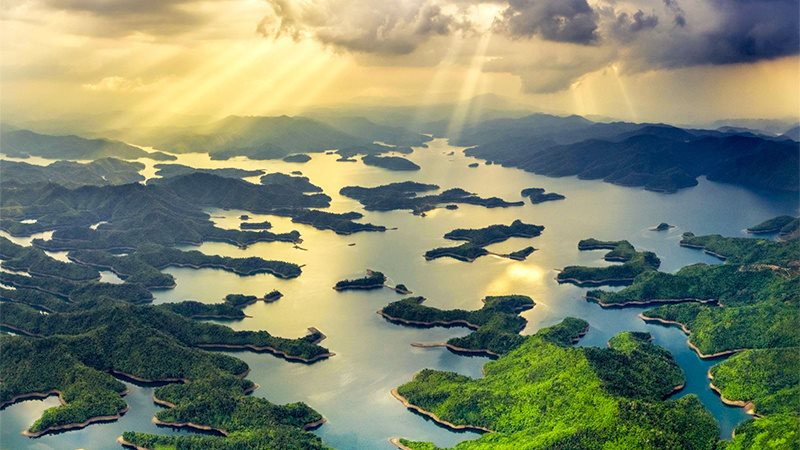
Located in the Central Highlands, Tà Đùng Lake is often compared to a miniature Ha Long Bay, with more than 40 small islands rising from emerald water. The lake was formed by a hydroelectric reservoir, but its natural beauty feels untouched and vast.
Tà Đùng lies within the Đắk Nông UNESCO Global Geopark, highlighting its geological and ecological importance. The best viewpoints are found along mountain roads overlooking the lake, especially at sunrise when mist drifts between the islands.
Visitors camp overnight on hilltops, kayak across calm water, or stay in family-run homestays overlooking the lake. With little noise and no crowds, Tà Đùng offers rare stillness, an ideal place to pause, reflect, and reconnect with nature.
Practical Tips for Visiting Vietnam Hidden Gems
Before you go, keep these essentials in mind:
- Transportation: Remote destinations often require motorbikes or private drivers.
- Language: Download an offline Vietnamese pack on Google Translate.
- Cash: ATMs are scarce; carry sufficient VND.
- Etiquette: Always ask before photographing people, and dress modestly in villages.
Check our Guide on Renting and Buying a Motorbike in Vietnam to prepare for the journey.
Why Vietnam Hidden Gems Matter More Than Ever?
Choosing less touristy places in Vietnam is a form of responsible travel. Your spending directly supports local families rather than large tour operators, helping preserve culture and livelihoods.
More importantly, these unseen spots in Vietnam shift travel from consumption to connection. In remote villages, memories are built through shared meals and conversations, not landmarks. As Vietnam’s popularity grows, now is the moment to discover its quieter soul.
Vietnam’s hidden gems are experiences shaped by people, landscapes, and living traditions. Discovering them now means witnessing Vietnam in its most honest and enduring form.
About Us
The Nest Asia is a one-stop resource offering comprehensive information, practical relocation advice, cultural insights, valuable connections, and trusted services to help expatriates living in Vietnam navigate the transition, overcome challenges, and build a fulfilling life abroad. Starting your journey in a new country can often feel overwhelming. The Nest Asia is your trusted partner – we’re here to simplify that process and ultimately make Vietnam feel like home for you and your loved ones.
Discover more insightful blogs from The Nest Asia here!
Schedule a Meeting
Disclaimer: The Nest Asia is not an authorized provider of official government or non-government services. The information provided is intended for general guidance only. While we strive to offer accurate and timely information, we make no representations or warranties regarding its completeness or accuracy.