Vietnam’s history is deeply embedded in its landscapes and historic spaces. These wonders of Vietnam and UNESCO World Heritage Sites are not merely tourist attractions, but recognitions of human civilization and universal value. Even sites classified as natural are inseparable from the cultural narratives that give them meaning.
Vietnamese Culture And History In UNESCO Heritage
Cultural heritage sites usually refer to physical artifacts and monuments. However, natural heritage sites and cultural landscapes are equally significant. They show how humanity has interacted with the environment, shaping mountains and rivers into places of deep spiritual importance.
Culture is not simply about what we build but about how we inhabit our world. It includes the ways people interpret their surroundings and protect their legacy. As we explore these sites, we look beyond the scenery to find the living history.
World Heritage Site In Vietnam Locations At A Glance
Vietnam boasts a remarkable collection of eight World Heritage Sites scattered across the country. They range from the rugged mountains of the North to the fertile plains of the Central region. They include imperial cities, sacred sanctuaries, and breathtaking natural phenomena.
Overview Of Vietnam UNESCO World Heritage
These sites can be grouped into distinct categories for better understanding. We have the imperial and sacred spaces that demonstrate political power, the living historic towns that showcase commerce, and the cultural landscapes where nature dominates. Each group offers a unique lens through which to view the rich identity of Vietnam.
| Category | Sites Included |
| Cultural | Huế Monuments, Thăng Long Citadel, Mỹ Sơn Sanctuary, Hồ Dynasty Citadel, Hội An Ancient Town |
| Natural Heritage | Hạ Long Bay, Phong Nha–Kẻ Bàng (including Sơn Đoòng) |
| Cultural landscape (Mixed) | Tràng An Landscape Complex |
This grouping helps illustrate how Vietnam’s identity has been shaped through governance, belief, commerce, and environmental interaction.
Read our overview of Key Vietnam Facts to understand how geography influences these sites.
Imperial Power, Sacred Belief, and Ancient Civilizations
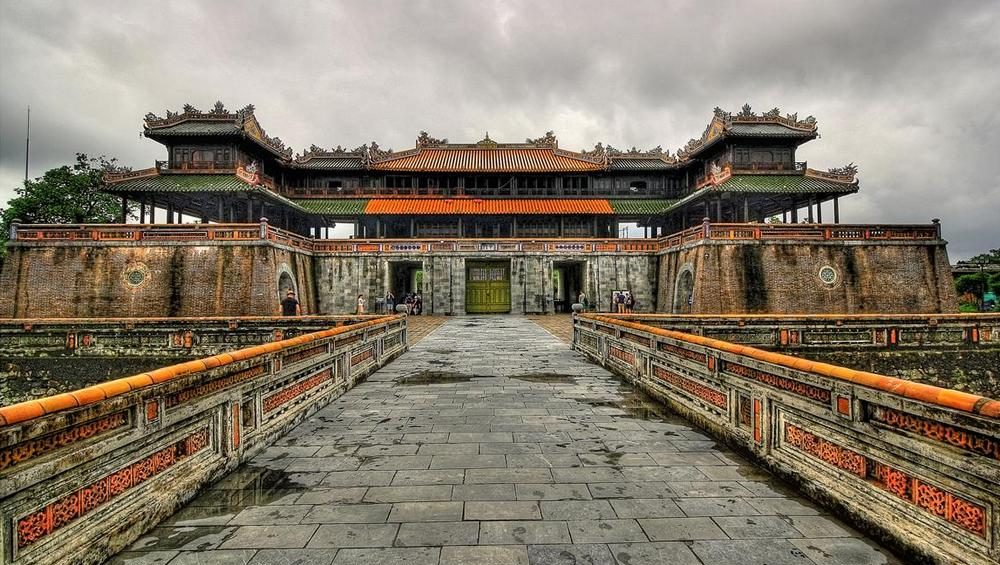
Complex of Huế Monuments – Culture of Imperial Governance
The complex of Hue monuments was the first site in Vietnam to receive UNESCO recognition. It stands as a powerful testament to the authority of the Nguyễn Dynasty. Built along the Perfume River, Huế served as the political and religious heart of a unified Vietnam.
Beyond governance, Huế represents a philosophical harmony between ruler and heaven. The city’s layout follows principles of geomancy, aligning architecture with the natural landscape. This integration transforms Huế into a space where political authority and spiritual belief merge to legitimize the emperor’s divine right to rule.
Imperial Citadel of Thăng Long – A Millennium of Political Culture
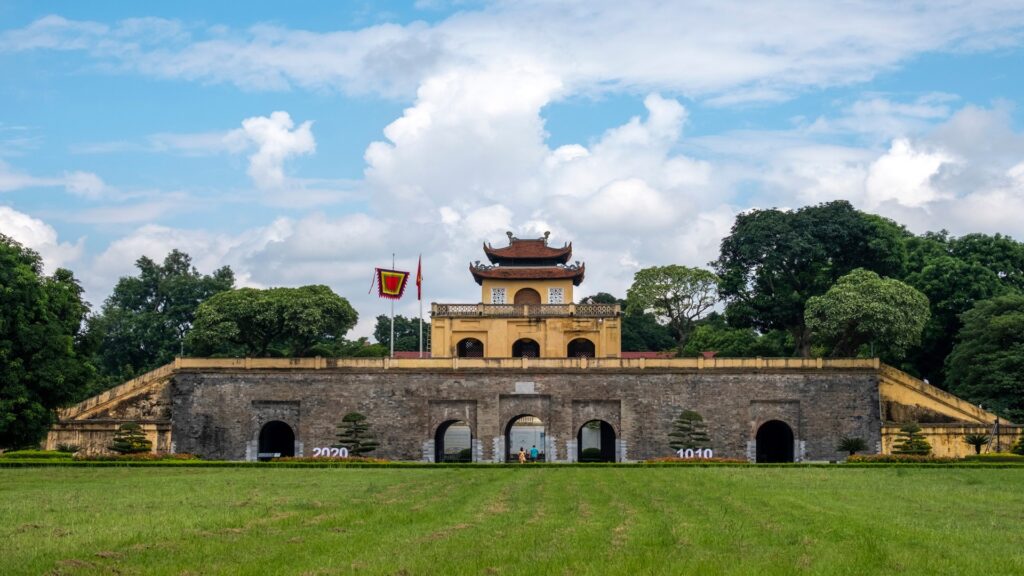
Located in present-day Hanoi, the Imperial Citadel of Thăng Long embodies more than a thousand years of Vietnamese political history. It served as the continuous seat of power for successive dynasties, making it one of the longest-lasting political centers in Southeast Asia.
Archaeological excavations reveal overlapping layers of history, from early dynastic foundations to colonial-era structures. This continuity symbolizes national resilience and cultural endurance. While dynasties rose and fell, Thăng Long remained the symbolic heart of governance and identity.
Mỹ Sơn Sanctuary – Sacred Landscape of the Champa Kingdom
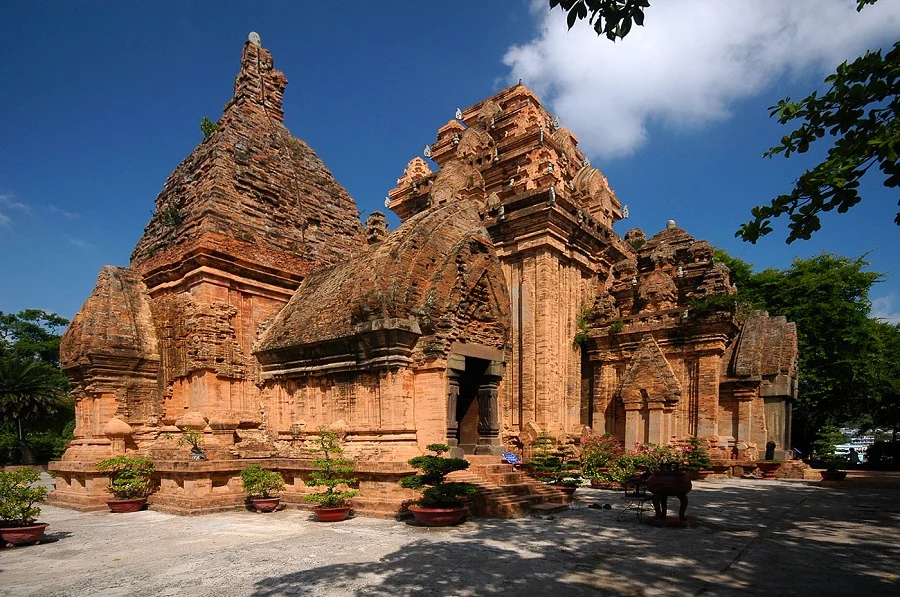
Mỹ Sơn Sanctuary offers a rare spiritual window into the ancient Kingdom of Champa. Hidden within a lush valley, its fired-brick towers were dedicated primarily to the Hindu god Shiva. The architecture reflects sacred cosmology, symbolizing Mount Meru.
Despite centuries of decay and wartime damage, Mỹ Sơn retains an unmistakable spiritual presence. It stands as a reminder of the cultural heritage in Vietnam that once flourished in the central region. The site preserves the religious devotion and ceremonial life of a civilization that once flourished in central Vietnam.
Citadel of the Hồ Dynasty – Cultural Experiment in Power and Philosophy
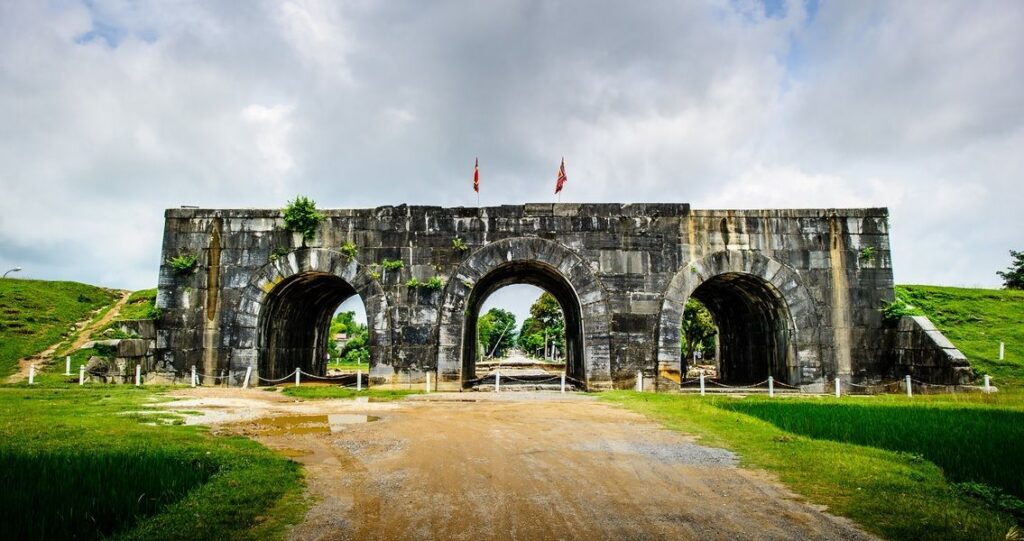
The Ho Dynasty Citadel has a palace complex distinguished by massive stone construction. Built in the late 14th century, it reflects the adoption of Neo-Confucian ideals and a bold attempt at centralized reform.
Although the Hồ Dynasty ruled briefly, the citadel’s scale and design reveal ambitious political philosophy. Its defensive pragmatism and ideological symbolism demonstrate how power and belief can shape the physical landscape, leaving behind a monument that challenges time itself.
Living Heritage and Cultural Exchange
Hội An Ancient Town – A Living Cultural Crossroads
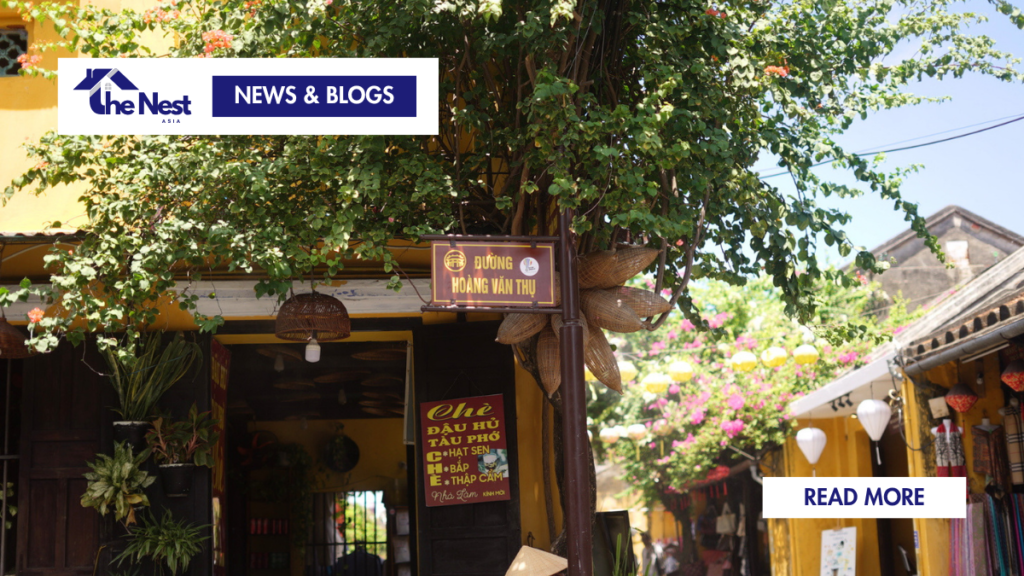
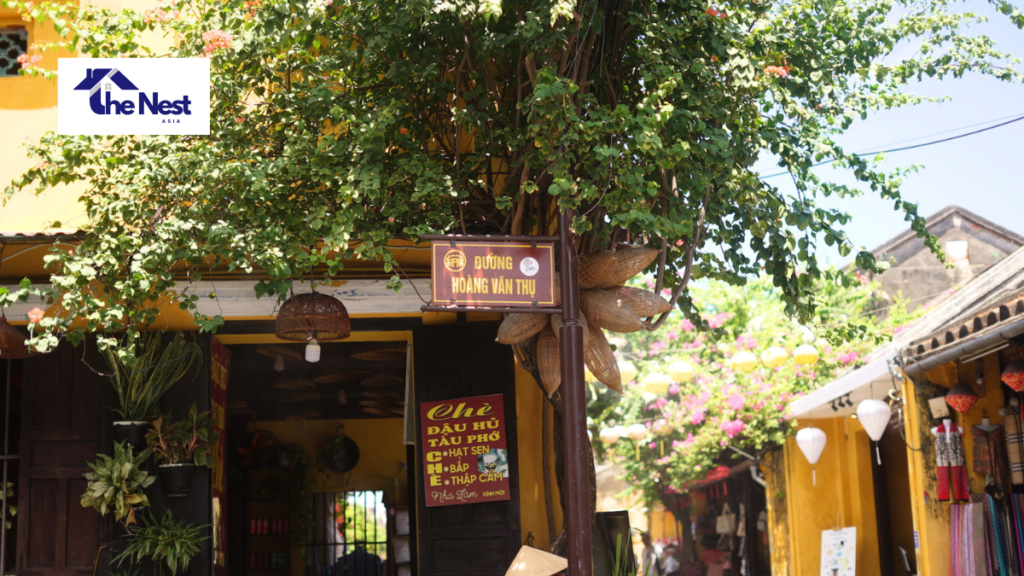
For centuries, Hoi An Ancient Town functioned as a hub where Vietnamese, Chinese, Japanese, and European merchants exchanged goods, ideas, and traditions. This cultural convergence is visible in its architecture, from wooden shophouses to the iconic Japanese Covered Bridge.
What sets Hội An apart is that it remains a living heritage site. Daily life continues within historic buildings, while cultural places in Vietnam, such as temples, remain active. The town’s cultural vitality ensures that history remains part of everyday experience.
Tràng An Landscape Complex – Cultural Landscape of Belief and Nature
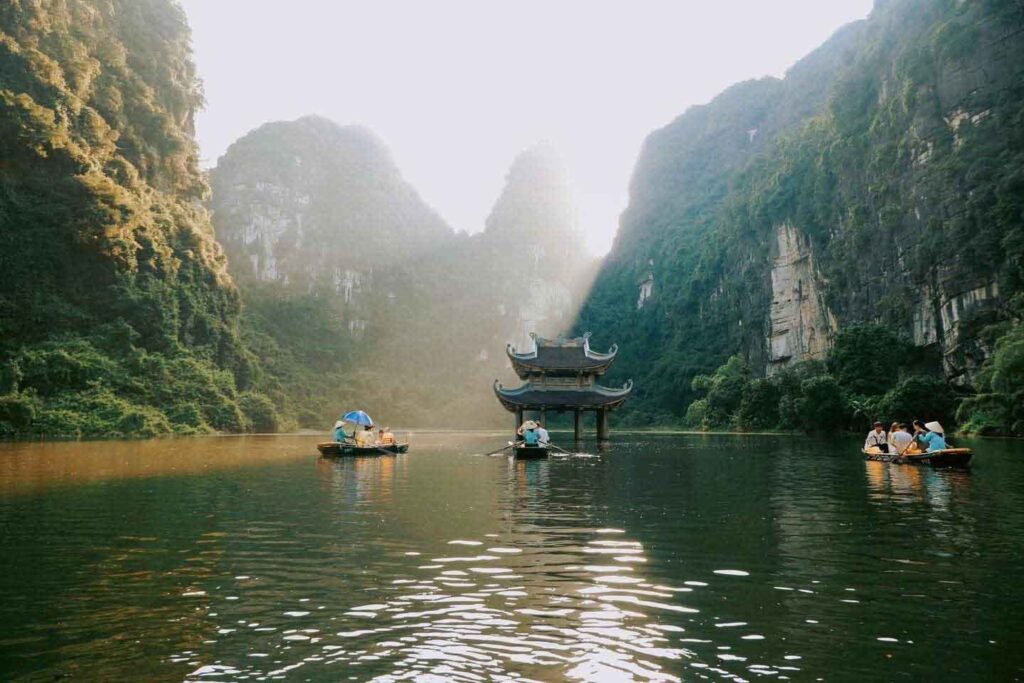
Tràng An Landscape Complex is a rare example of a cultural landscape where human history and natural beauty are inseparable. Limestone karsts surround ancient temples and pagodas, reflecting how early communities adapted to environmental change over thousands of years.
The area is also deeply spiritual, encompassing the ancient capital of Hoa Lư. Mountains, rivers, and sacred sites blend seamlessly, forming a landscape where nature is revered as a protective force. Tràng An illustrates how Vietnamese culture has long viewed harmony with nature as essential to survival and belief.
Vietnam Natural Wonders As Cultural Identity
Hạ Long Bay – Myth, Seafaring Culture, and National Imagination
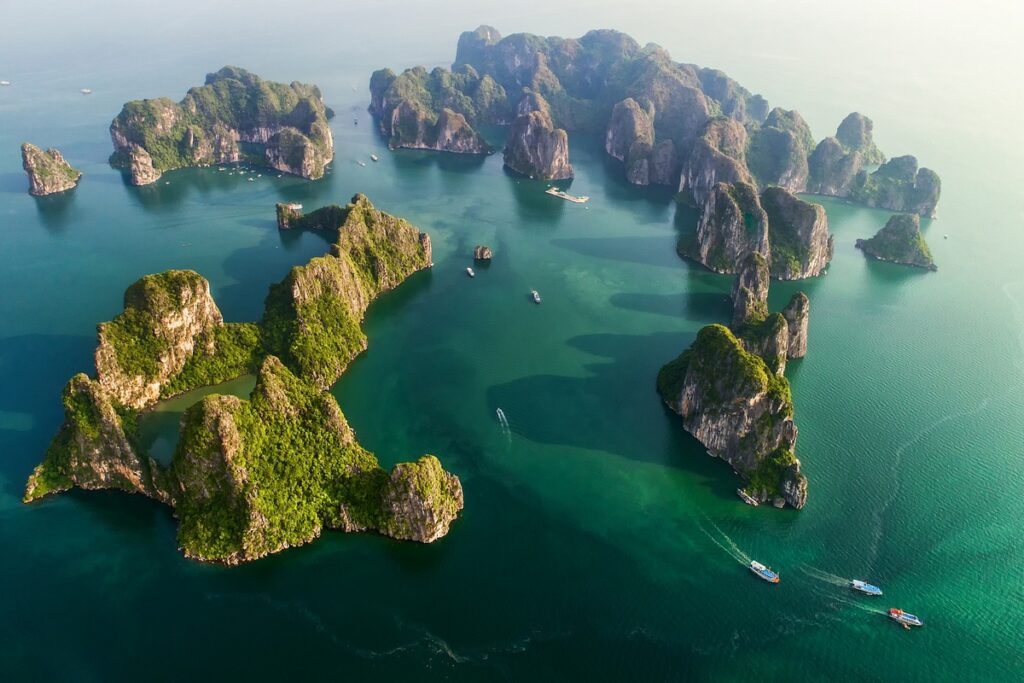
Hạ Long Bay is globally renowned for its emerald waters and dramatic limestone islands. Culturally, it is inseparable from Vietnam’s origin myths. The name “Hạ Long” means “Descending Dragon,” rooted in legends where dragons protected the land from invaders.
Beyond the myths, the bay has sustained fishing communities for millennia. The floating villages represent a unique seafaring culture that has adapted to life on the natural wonders of Vietnam. These communities remind us that nature shapes not just the physical world, but the very identity, storytelling, and livelihoods of those who call it home.
The landscape of Ha Long also serves as a canvas for national imagination. Poets, painters, and scholars have drawn inspiration from these waters for centuries. It is a place where the natural world is imbued with human emotion, becoming a symbol of the enduring beauty and resilience of the nation.
Phong Nha–Kẻ Bàng & Sơn Đoòng
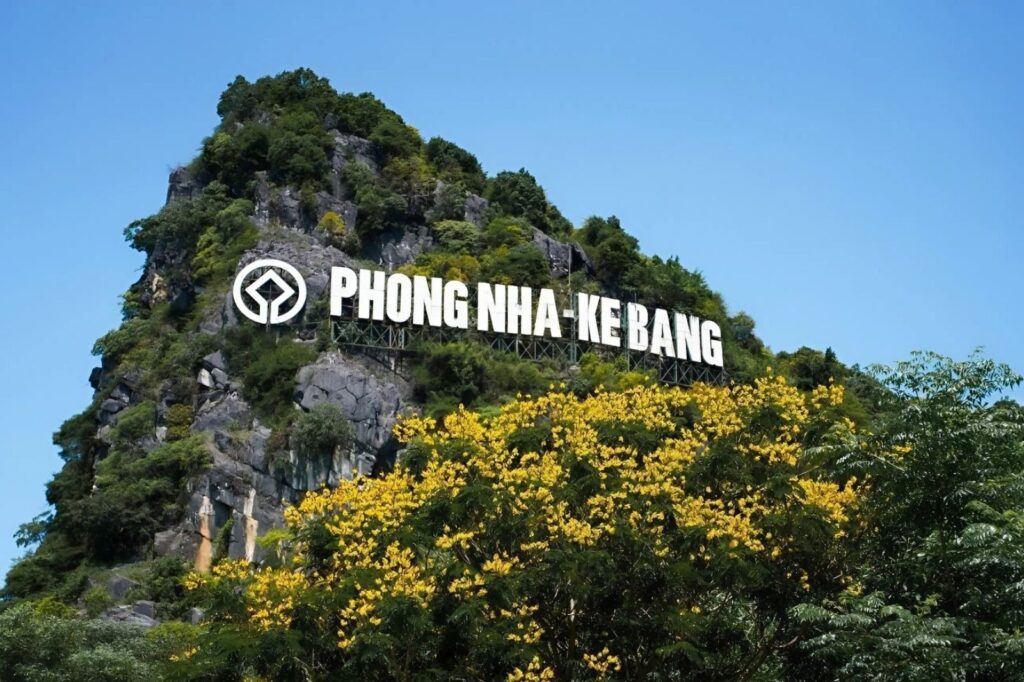
Phong Nha-Ke Bang is renowned for its ancient karst systems and immense biodiversity. The local communities have long understood the secrets of these forests and caves, preserving a relationship with the land that is respectful and sustainable.
The Phong Natural Heritage Area contains Son Doong, the world’s largest cave. It represents the spirit of exploration and scientific discovery that continues to define Vietnam. This site has brought global attention to the country, fostering a new sense of pride and a commitment to protecting natural wonders.
Conservation ethics are central to the story of this natural wonder in Vietnam. The balance between tourism and preservation reflects a modern cultural maturity. It shows a Vietnam that values its natural heritage not just as a resource, but as a legacy that must be kept intact for the benefit of future generations.
Visiting World Of Vietnam With Cultural Awareness
When visiting these sites, it is crucial to approach them with cultural awareness and respect. These are not just photo opportunities; they are sacred and historic spaces. Dressing modestly at cultural places in Vietnam shows respect for traditions. And beliefs that make these places so significant to the locals.
Supporting local communities is another vital aspect of responsible tourism. By purchasing local crafts, visitors contribute to the sustainability of these sites recognized as world heritage sites in Vietnam. This ensures that the people who maintain these cultural treasures can continue to do so, keeping the history alive for others to experience.
Why Talk About One Of The World Heritage Sites In Vietnam Today?
In a rapidly globalizing world, Vietnam’s UNESCO sites serve as anchors of cultural identity. They provide a tangible connection to the past, reminding younger generations of their roots. These sites educate us about the diverse influences that have shaped the nation, fostering a sense of continuity amidst modern changes.
The preservation of these sites is a responsibility we all share for the future. They are bridges between the past and the present, offering lessons in resilience, creativity, and harmony. Protecting every natural place in Vietnam ensures that the stories written in stone continue to inspire.
For a broader perspective, read our overview guide on Getting to Know Vietnam History.
Culture Written in Stone, Water, and Memory
As you explore these UNESCO World Heritage Sites, we encourage you to travel mindfully and respectfully. Look beyond the surface to understand the deep cultural currents that flow through these landscapes. By doing so, you participate in the ongoing story of Vietnam, helping to preserve its unique heritage for the world to cherish.
About Us
The Nest Asia is a one-stop resource offering comprehensive information, practical relocation advice, cultural insights, valuable connections, and trusted services to help expatriates living in Vietnam navigate the transition, overcome challenges, and build a fulfilling life abroad. Starting your journey in a new country can often feel overwhelming. The Nest Asia is your trusted partner – we’re here to simplify that process and ultimately make Vietnam feel like home for you and your loved ones.
Discover more insightful blogs from The Nest Asia here!
Schedule a Meeting
Disclaimer: The Nest Asia is not an authorized provider of official government or non-government services. The information provided is intended for general guidance only. While we strive to offer accurate and timely information, we make no representations or warranties regarding its completeness or accuracy.