Why is Vietnam a Paradise for Food Lovers?
Vietnamese cuisine is one of the most vibrant street-food cultures in the world today. For travelers, the biggest challenge is often deciding what to eat in Vietnam because the options are endless.
This guide takes you beyond the standard tourist maps. We will explore iconic street food, traditional food in Vietnam, and practical tips to help you eat like a local. Whether you are looking for a fancy Vietnamese cuisine restaurant or a plastic stool on the sidewalk, this guide covers it all.
Discover more about Vietnamese culture! Check out The Nest Asia’s blog today!
The Soul of Vietnamese Cuisine Culture
Freshness is the defining characteristic that separates typical food of Vietnam from other culinary traditions. Dishes rarely rely on heavy oils or creams but instead prioritize fresh herbs and clear broths. This focus on raw ingredients creates Vietnamese dishes that are flavorful yet surprisingly light, allowing you to eat your way through a Vietnamese food list without feeling weighed down.
Rice serves as the undeniable center of the Vietnamese table, appearing in countless forms beyond just steamed grains. You will find it transformed into silky noodles, delicate rice paper wrappers, and hearty porridge. This staple ingredient provides the perfect neutral canvas for the bold flavors of grilled meats and herbs.
Vietnamese cuisine culture is also defined by communal dining. Meals are shared rather than served in individual courses. This encourages interaction and reflects the strong social bonds found at the table.
Still feeling lost about the rules of communal dining? Read our guide on Table Manners in Vietnam
Street Food Culture
Street food acts as the true culinary classroom for anyone wanting to understand local life in Vietnam. When you are exploring Hanoi or Ho Chi Minh City, you might instinctively check your phone for “the best food near me”. However, the best meals are often found not in restaurants but on low plastic stools on the sidewalk. Prices remain incredibly low, ensuring that popular Vietnamese food is available to everyone regardless of budget.
The rhythm of street food changes distinctively as the day progresses from morning to late at night. Morning stalls specialize in energizing soups, while evening vendors offer grilled delights and social snacks. Local logic dictates that busy stalls are the safest choice because high turnover ensures the freshest possible ingredients.
Top 10 Vietnamese Food You Must Try
To help you navigate, we have compiled a Vietnamese food list of essentials. These are the Vietnamese dishes to try if you want the full experience.
1 – Phở
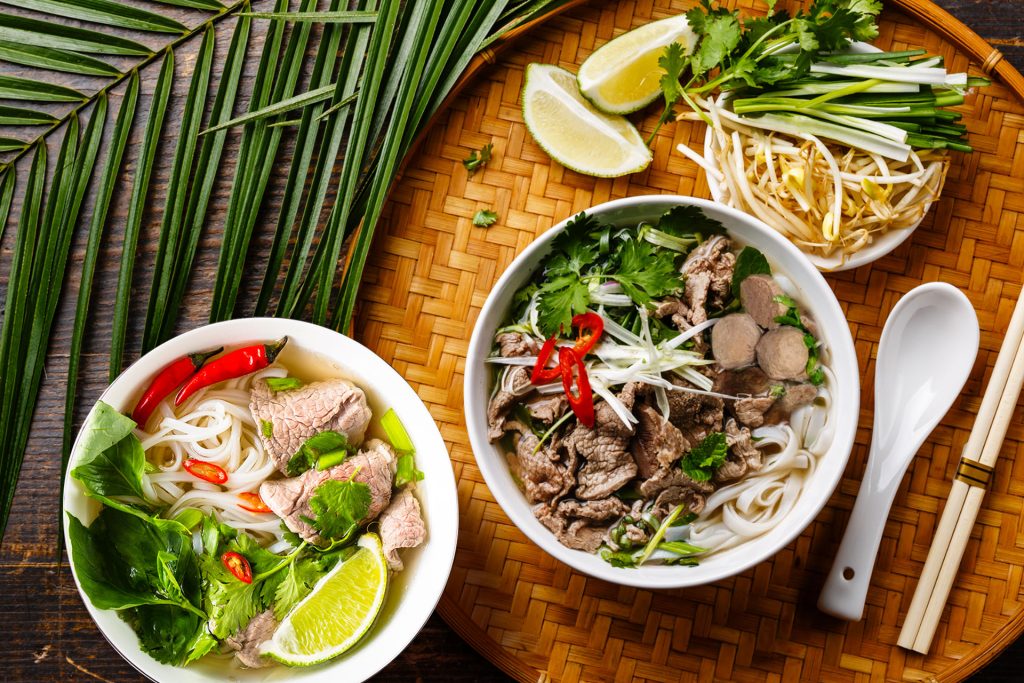
It goes without saying that pho is one of the popular Vietnamese dishes globally and acts as the nation’s heart. While Northern styles focus on savory purity, Southern versions add sweetness and herbs. The secret always lies in the broth, where bones are simmered for hours with charred ginger to achieve liquid perfection. It is arguably the most popular Vietnamese food you will encounter.
Eating pho is a personal ritual that allows you to become the chef at the table. Do not just eat it as served; customize your bowl with lime, chili, and basil for a personalized experience. The correct technique involves sipping the hot broth first, then using chopsticks and a spoon to enjoy your meal.
2 – Bánh Mì
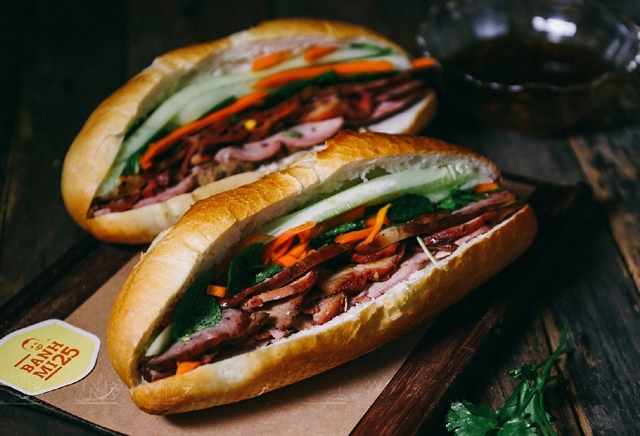
Bánh Mì is a staple of famous Vietnamese food. The crispy baguette is smeared with rich pâté before being stuffed with savory fillings like pork, eggs, and cold cuts. The magic comes from the addition of pickled daikon, cilantro, and chili, creating a perfect balance of textures.
When you bite into a Bánh Mì, the experience is defined by the shattering crunch of the crust. It is the ultimate grab-and-go meal, found on nearly every street corner. Be aware that regional fillings differ, but the combination of crunchy, creamy, salty, and sour remains the standard everywhere.
3 – Bún Chả
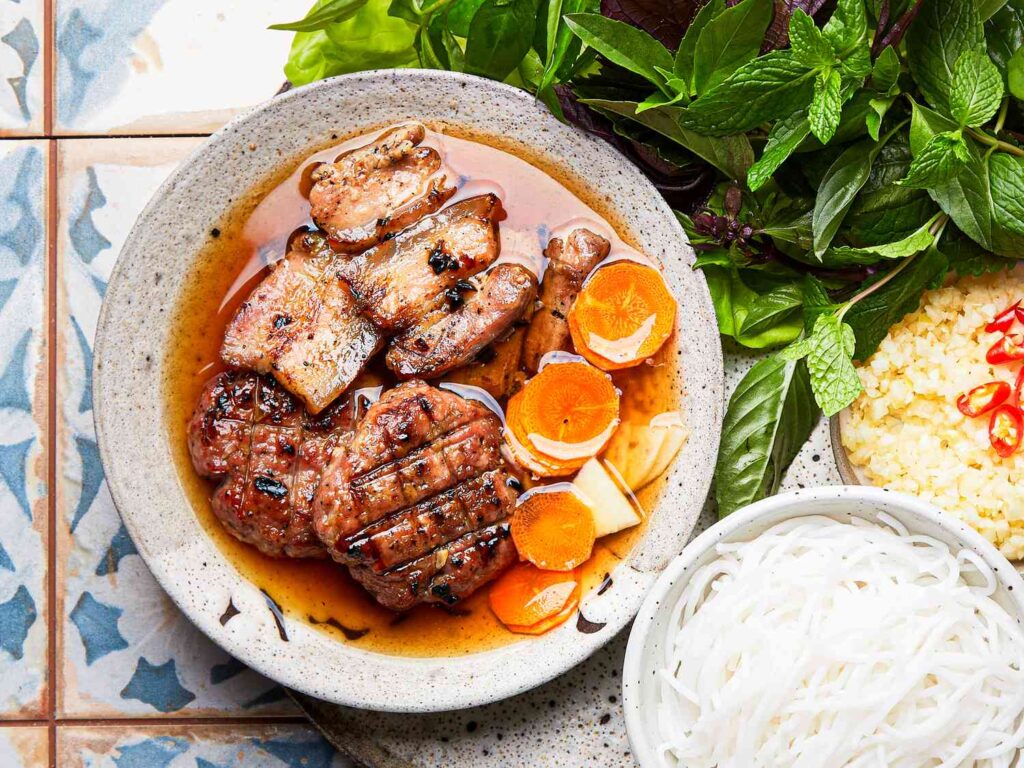
Bún Chả is widely considered one of the best Vietnamese food options. The dish features seasoned pork patties and slices of pork belly grilled over charcoal. These smoky meats are served in a bowl of warm, sweet-and-savory fish sauce broth, alongside cold vermicelli and fresh herbs.
To eat Bún Chả like a local, you must master the art of dipping properly. Take a small amount of cold noodles and dip them into the warm meat broth to absorb the flavor. Add fresh lettuce to the bite for crunch. It is a harmonious interplay of temperature.
4 – Bánh Xèo
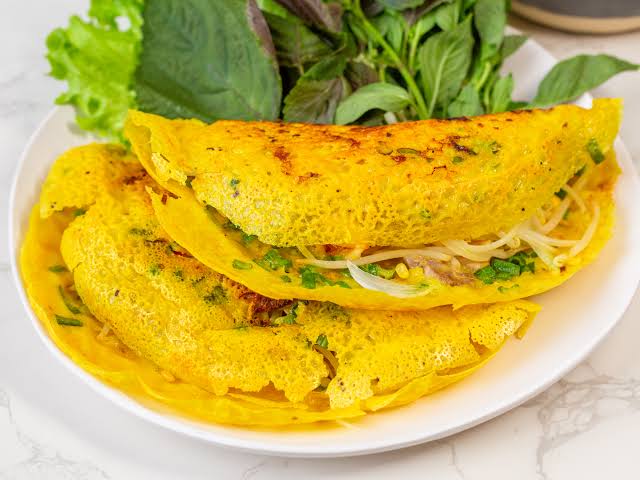
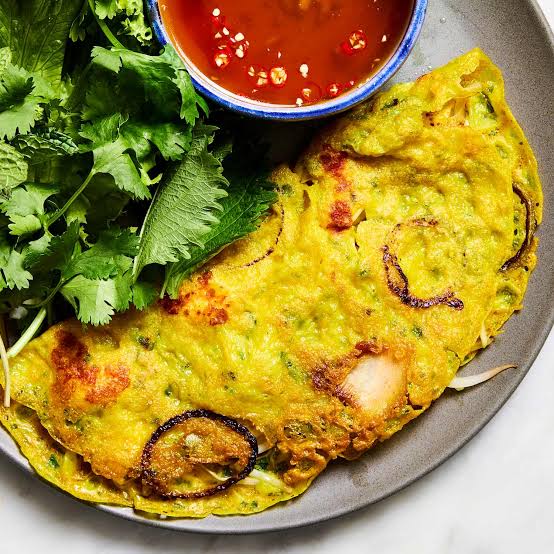
Bánh Xèo gets its name from the loud sizzling sound the batter makes on the hot skillet. It is a classic example of traditional Vietnamese dishes. Despite its yellow color, it contains no eggs; the hue comes from turmeric powder. The crepe is fried until crispy and filled with pork slices, shrimp, and bean sprouts, creating a delightful contrast.
This is a messy, hands-on dish that requires you to abandon your chopsticks entirely. Break off a piece of the crispy pancake and wrap it inside a sheet of mustard greens with mint. Dip the entire roll into sweet and sour fish sauce to balance the fried batter perfectly.
5 – Gỏi Cuốn
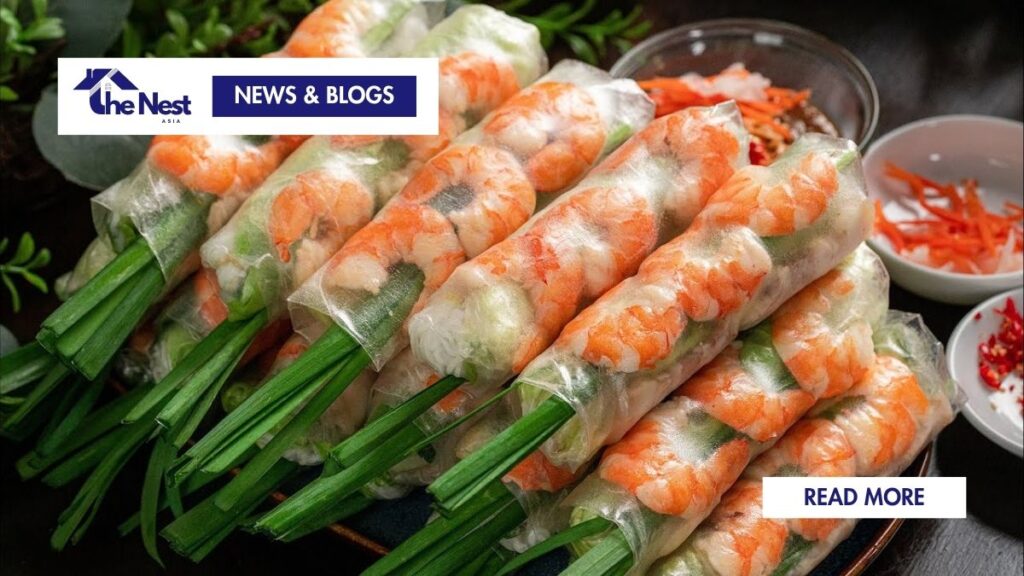
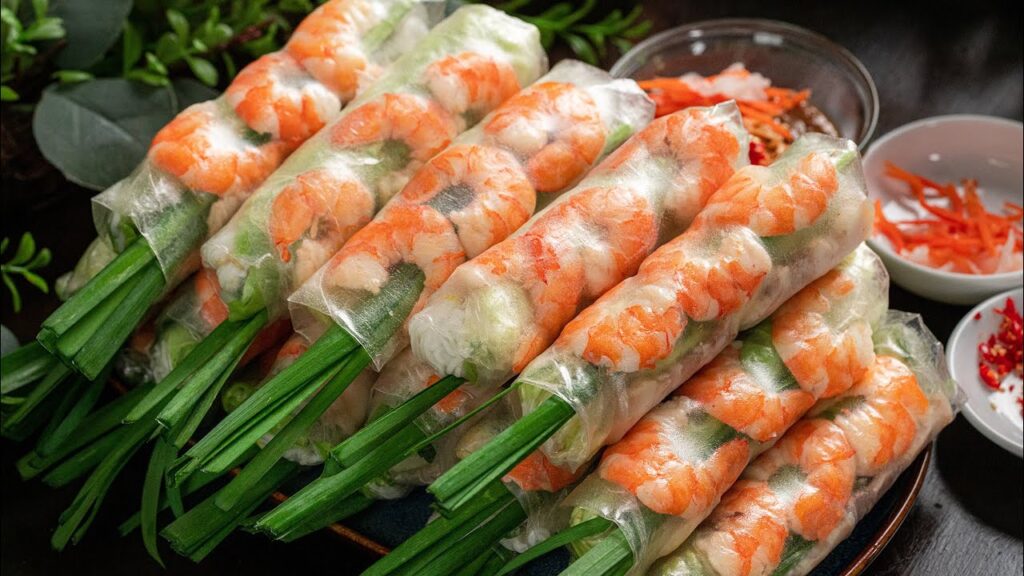
Fresh spring rolls are a refreshing entry on any Vietnamese dishes list, especially during warm weather. Wrapped in delicate rice paper, they are filled with crisp lettuce, fragrant herbs, vermicelli noodles, slices of pork, and fresh shrimp. The balance of textures makes each bite light, healthy, and satisfying.
What truly completes this dish is the rich peanut dipping sauce served on the side. The sauce blends roasted peanuts, hoisin, garlic, and chili for a sweet and savory flavor. When dipped generously, the rolls transform into a perfect harmony of freshness and depth.
6 – Mỳ Quảng
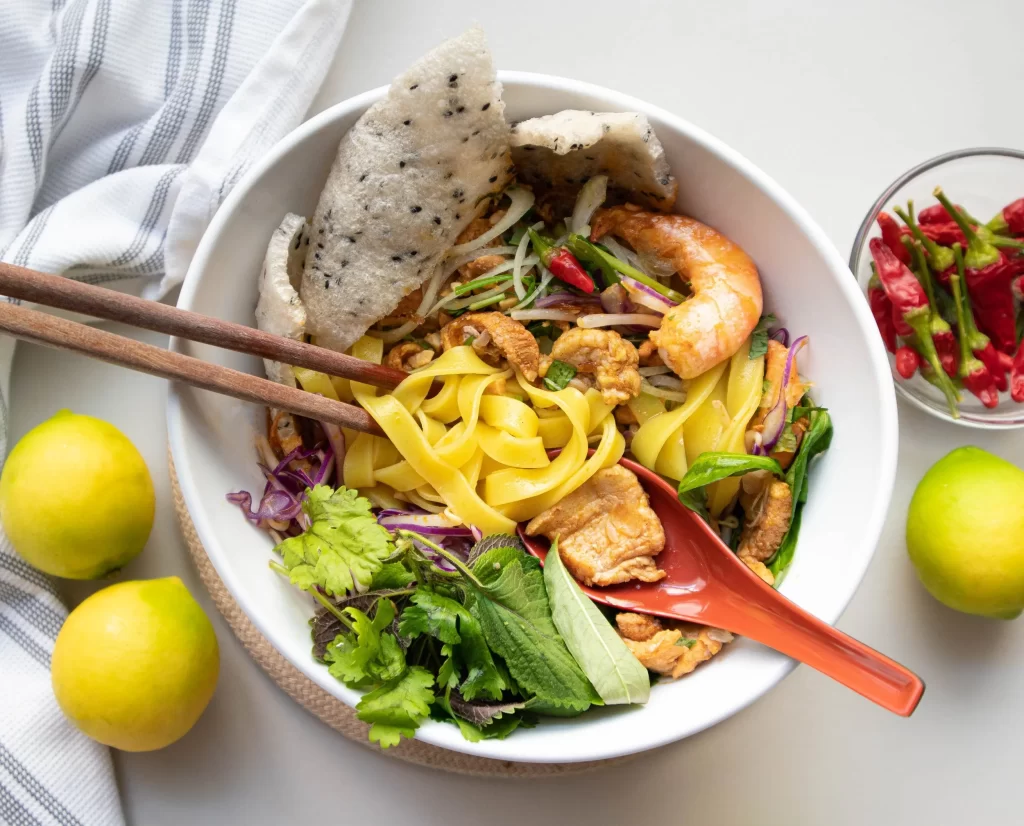
A Central Vietnamese staple, Mỳ Quảng is a must for anyone compiling a list of Vietnamese food to try. Originating from Quảng Nam Province, this turmeric-infused noodle dish is known for its vibrant yellow color and bold, earthy flavor. It is commonly topped with pork, shrimp, quail eggs, and fresh local herbs.
Unlike typical noodle soups, mỳ Quảng contains only a small amount of concentrated broth, just enough to coat the noodles. It is served with crispy sesame rice crackers and plenty of herbs, allowing diners to mix everything together and enjoy a rich combination of textures and flavors.
7 – Cao Lầu
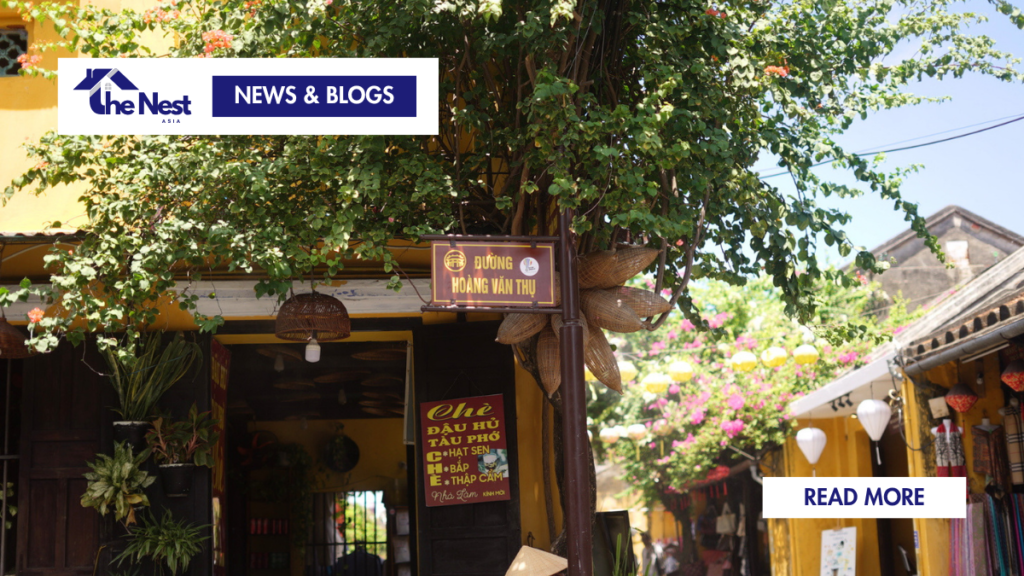
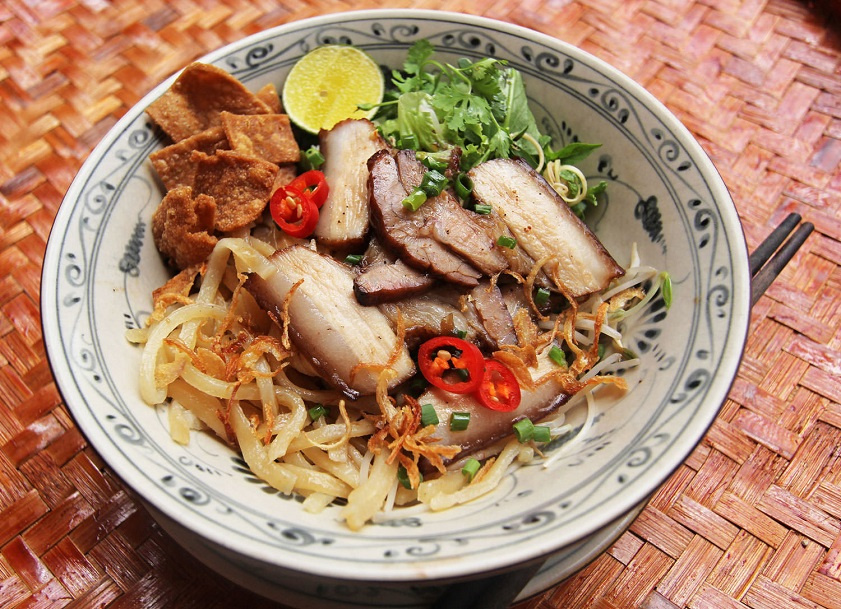
Cao lầu is found only in Hoi An, making it one of the most distinctive regional specialties in Vietnam. The dish features thick, chewy noodles served with slices of smoky char siu-style pork, fresh herbs, and crispy croutons. Its texture and flavor set it apart from other noodle dishes.
Often listed among the most unique Vietnamese dishes names you will learn, Cao lầu reflects Hoi An’s rich trading history and cultural influences. With very little broth, the noodles are lightly coated in savory sauce, creating a balanced combination of chewiness, smokiness, and freshness.
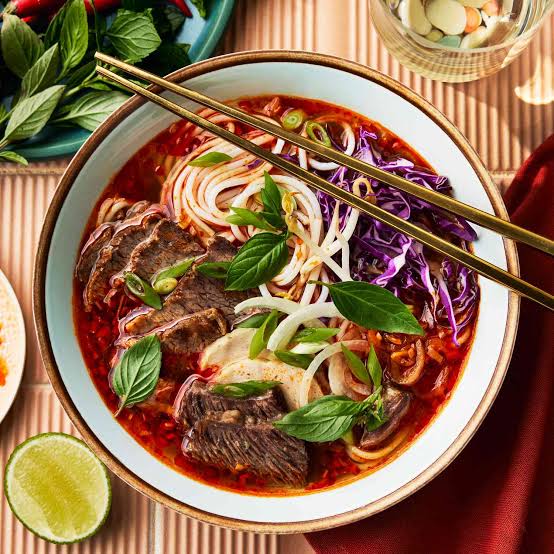
8 – Bún Bò Huế
Bun Bo Hue is a bold and flavorful specialty from Central Vietnam, famous for its rich, spicy broth. Infused with lemongrass, chili, and shrimp paste, the soup delivers a deep and complex taste. Thick rice noodles are served with tender beef slices and sometimes pork hock, creating a hearty and satisfying meal.
For those who love spice, this beef noodle soup is often considered a best Vietnamese dishes contender from the Central region. The balance of heat, aroma, and savory depth makes it unforgettable. Fresh herbs, lime, and chili slices allow diners to adjust the flavor to their preference.
9 – Cơm Tấm
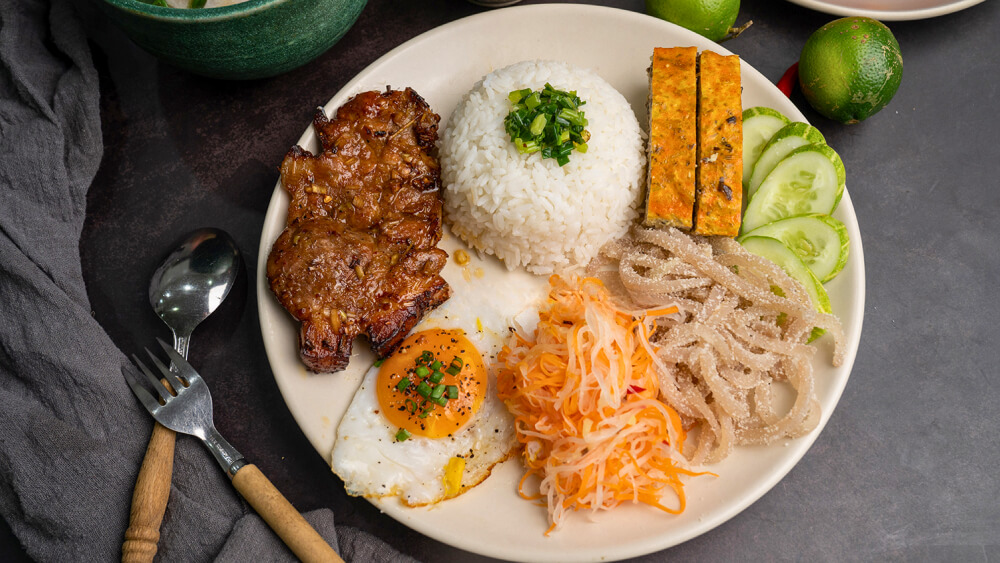
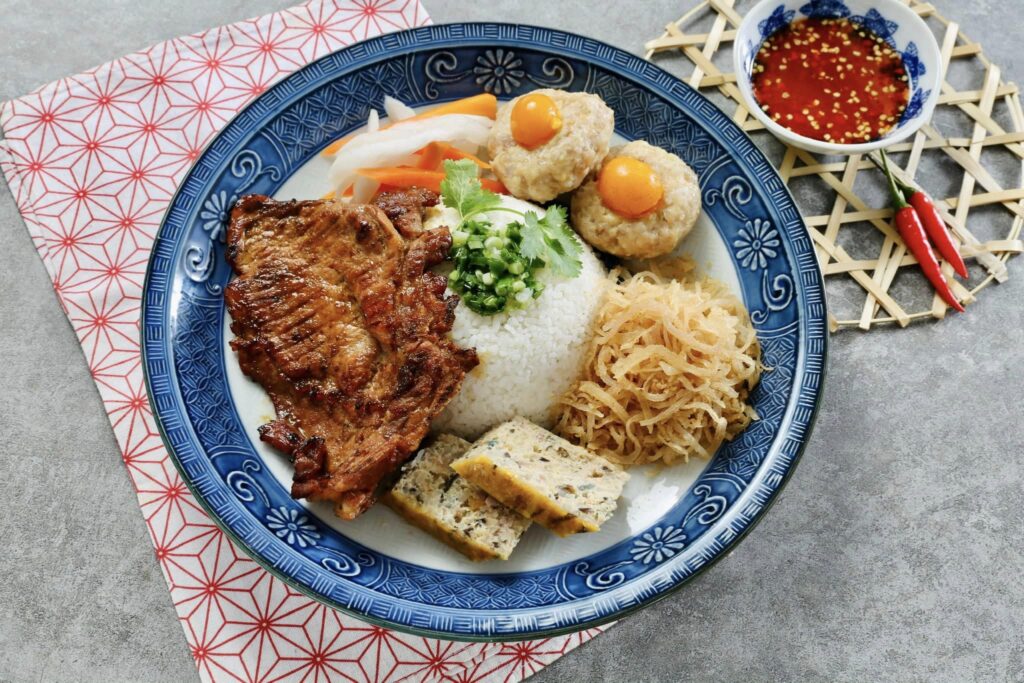
Cơm Tấm is a beloved Southern specialty made from broken rice grains once considered imperfect but now deeply cherished. The plate is typically served with a juicy grilled pork chop, pickled vegetables, sliced cucumber, and a fried egg. A drizzle of sweet fish sauce ties everything together beautifully.
Broken rice served with grilled pork chops is the definitive typical food of Vietnam for breakfast in the South. Locals enjoy it early in the morning before work, appreciating its hearty, savory flavors and satisfying combination of textures that provide lasting energy.
10 – Cà Phê Trứng
Vietnamese egg coffee is a unique Hanoi specialty that combines strong brewed coffee with a thick, creamy egg yolk foam. The egg mixture is whipped with sugar and condensed milk until light and velvety, creating a rich topping that resembles sweet custard floating above dark coffee.
Egg coffee is truly a dessert and drink in one, offering both bold caffeine and indulgent sweetness. It is a must try food in Vietnam for caffeine addicts who want something beyond ordinary coffee, delivering a smooth, bittersweet experience with every spoonful and sip.
Study more about the Coffee Culture of Vietnam now!
Vietnamese Iconic Street Snacks
Bánh Tráng Nướng – The Vietnamese “Pizza”
Originally from Da Lat, this dish is affectionately nicknamed “Vietnamese Pizza” by travelers and locals alike. This is a must try food in Vietnam for evening snacking. A sheet of rice paper is grilled over charcoal until crisp. It is topped with quail egg, dried shrimp, green onions, and sausage. The result is a colorful, smoky, and crunchy delight.
Bánh Tráng Trộn – Rice Paper Salad
This “mixed rice paper” salad is the ultimate student snack found outside every school in Saigon. Strips of rice paper are tossed with beef jerky, quail eggs, green mango, and herbs. The dressing is a mix of kumquat juice, shrimp salt, and chili oil, creating a chewy texture.
Hột Gà Nướng – Grilled Eggs
“Grilled eggs” might look like regular eggs, but they are actually solid inside. The raw egg is carefully drained, seasoned with honey, pepper, and fish sauce, then poured back in. The shell is then roasted over charcoal, creating a firm, savory custard-like texture inside that is unique.
Kẹo Chỉ & Kem – Sugar Thread Candy & Ice Cream
For those with a sweet tooth, look for the “Kẹo Chỉ” cart on the street. It involves spun sugar rolled into a thin wafer with coconut and peanuts. Alternatively, “Kem” (ice cream) sold from bicycles offers refreshing flavors like coconut, durian, or taro.
Some Challenges for the Brave
Bún Cua Thúi – The Smelly Crab Noodles
Originating from Gia Lai, this dish is famously known as “stinking crab noodles.” The black broth is made from fermenting field crabs for a full day until they decompose. It creates a pungent smell that challenges newcomers but rewards brave eaters with a deep, rich, and savory umami flavor.
Locals often say that the smell is part of the charm, similar to strong cheese. It is served with bamboo shoots, crispy pork fat, and duck eggs to add texture. You must overcome the initial scent to appreciate the salty, mineral-rich taste that defines this unique regional specialty.
Mắm Culture: Why We Love the Smell
“Mắm” refers to various fermented pastes, like shrimp paste (mắm tôm) or anchovy sauce (mắm nêm). While the smell can be overpowering to foreigners, it provides a crucial “umami” depth to dishes. Fermentation preserves the protein and creates a complex, savory profile that fresh ingredients simply cannot replicate alone.
Vietnamese people love this smell because it signals richness and flavor intensity. It is often balanced with pineapple, lime, and chili to cut through the pungency. Embracing “mắm” is the final step in truly understanding the local palate. It is the secret ingredient that makes Vietnamese food unforgettable.
A Journey Through Regional Vietnamese Dishes
Northern Vietnam: Subtle, Balanced, and Broth-Focused
The North is the cradle of traditional Vietnamese dishes. The flavors here are subtle, relying less on spice and sugar than other regions. Chefs focus on the purity of the broth, letting natural ingredients shine. The climate influences a preference for warm, hearty dishes.
Famous dishes from the North include the pristine Phở Hanoi and the smoky Bún Chả. Another standout is Chả Cá, a turmeric-marinated fish dish served with dill. The seasoning is precise, utilizing salt and black pepper rather than chili. This creates a sophisticated profile that reflects traditional values.
Central Vietnam: Bold, Spicy, and Royal Heritage
Central Vietnamese cuisine offers a dramatic contrast with its bold, spicy, and complex profiles. This region was once the seat of the Imperial Court, leading to refined, small-portioned dishes. However, the flavors are huge, utilizing ample chili and shrimp paste. The food here demands attention and leaves a mark.
This region is home to many famous Vietnamese food items like Bún Bò Huế, a spicy beef noodle soup with lemongrass. Other specialties include Bánh Bèo, delicate steamed rice cakes topped with savory shrimp. The usage of dipping sauces is elevated to an art form here. It is a Vietnamese cuisine of contrasts and royal elegance.
Southern Vietnam: Sweet, Abundant, and Tropical
Southern Vietnam is blessed with a tropical climate and an abundance of fresh produce. The popular Vietnamese food here tends to be sweeter and more robust, often incorporating coconut milk. There is a strong influence from Cambodian and Chinese cuisines, resulting in a melting pot of flavors that are open and generous.
Signature dishes include Hủ Tiếu, a pork and seafood noodle soup, and Cơm Tấm. Cơm Tấm, or broken rice, is served with grilled pork chops, a quintessential breakfast. Canh Chua, a sour tamarind soup, captures the region’s love for sweet and sour. Geography has shaped a diverse, vibrant cuisine.
Navigating A Vietnamese Menu Like A Local
Ordering food can be intimidating if you do not know the language. When you sit down and look at a Vietnamese menu, you might feel overwhelmed. But it is easier than you think.
Most street stalls specialize in just one dish, so you simply need to point. However, in larger Vietnamese cuisine restaurant, knowing a few key terms helps.
| Vietnamese Phrase | Meaning | Pronunciation Tip |
| Không cay | No spicy | “Khomb kay” |
| Không hành | No onion | “Khomb hang” |
| Không rau | No herbs | “Khomb zow” |
| Ít nước mắm | Less fish sauce | “Eet nuoc mam” |
| Mang về | Takeaway | “Mang veh” |
| Chay | Vegetarian | “Chai” |
Want to go beyond pointing? Here are the 5 Best Places to Learn Vietnamese to help you order with confidence.
Learning the correct Vietnamese dishes names will earn you smiles from locals. It shows you appreciate their traditional food in Vietnam.
Vegetarian and Modern Vietnamese Cuisine
Vietnam is a surprisingly excellent destination for vegetarians due to its strong Buddhist cultural traditions. “Chay” or vegetarian food is widely available, especially on the lunar calendar days. Tofu, mushrooms, and mock meats are used to replicate classic dishes. You can find plant-based versions of almost any item on a Vietnamese dishes list.
Modern Vietnamese cuisine is also evolving rapidly. Trendy chefs in Ho Chi Minh City are reimagining traditional recipes. They use contemporary techniques while respecting core philosophies. This fusion ensures that Vietnamese food to try now includes high-end interpretations of street classics.
Vietnam Through Taste
Vietnamese cuisine is ultimately a compelling story of the land and its people. It is more than just a Vietnamese food list; it is a way of living.
Whether you are enjoying modern Vietnamese cuisine in a skyscraper or eating traditional Vietnamese dishes on a sidewalk, every bite reveals the balance of nature and culture. We invite you to sit down and taste the best Vietnamese food the local way.
Study more about Vietnam’s table manners in Vietnam and the Art of Eating Together.
About Us
The Nest Asia is a one-stop resource offering comprehensive information, practical relocation advice, cultural insights, valuable connections, and trusted services to help expatriates living in Vietnam navigate the transition, overcome challenges, and build a fulfilling life abroad. Starting your journey in a new country can often feel overwhelming. The Nest Asia is your trusted partner – we’re here to simplify that process and ultimately make Vietnam feel like home for you and your loved ones.
Discover more insightful blogs from The Nest Asia here!
Schedule a Meeting
Disclaimer: The Nest Asia is not an authorized provider of official government or non-government services. The information provided is intended for general guidance only. While we strive to offer accurate and timely information, we make no representations or warranties regarding its completeness or accuracy.